How to Adjust Cabinet Hinges for Perfect Alignment?
Adjusting cabinet hinges is a fundamental skill in cabinetry that ensures doors align perfectly. Renowned expert Brian McCullough once stated, "Proper hinge adjustment can transform your cabinetry from ordinary to exquisite." This highlights the importance of mastering how to adjust cabinet hinges for both aesthetics and functionality.
Many homeowners face challenges when their cabinet doors don't close properly. Misalignment can lead to frustration and a less polished appearance. Adjusting cabinet hinges may seem daunting, but it’s a manageable task with the right approach. Regular maintenance should include checking hinge alignment, especially after new installations or renovations.
It's essential to acknowledge that achieving perfect alignment isn't always straightforward. Even seasoned professionals encounter hiccups. Each cabinet may require a unique adjustment method based on factors like the hinge type and cabinet material. Taking the time to fine-tune your hinges can greatly enhance your space's overall look and usability. Embracing this task ensures your cabinets not only function well but also look their best.
Understanding Cabinet Hinges and Their Functions
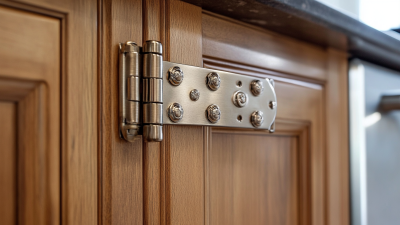
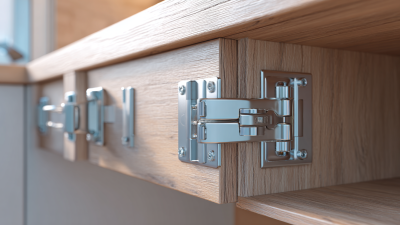
Cabinet hinges play a crucial role in the functionality of kitchen and bathroom cabinets. They not only allow doors to open and close smoothly but also help maintain the overall alignment. Understanding the types and functions of cabinet hinges is essential for any homeowner or DIY enthusiast. There are various types, such as concealed, European, and pivot hinges. Each serves a specific purpose depending on the door design and cabinet structure. Their unique designs ensure that cabinet doors operate effectively and can bear the weight of various materials used in cabinetry.
When installing or adjusting cabinet hinges, it’s important to check for potential misalignments. A door that sticks or does not close properly often indicates a hinge issue. Small adjustments can make a significant difference. Loosening screws slightly can allow for minor repositioning. Sometimes, the door may still sit unevenly, suggesting a need for more careful inspection of the hinge itself. Not every adjustment leads to a perfect solution. Reflecting on the installation process can reveal areas for improvement. Often, trial and error will guide you towards achieving that ideal alignment, ensuring your cabinets function as intended.
Identifying Misalignments in Cabinet Doors
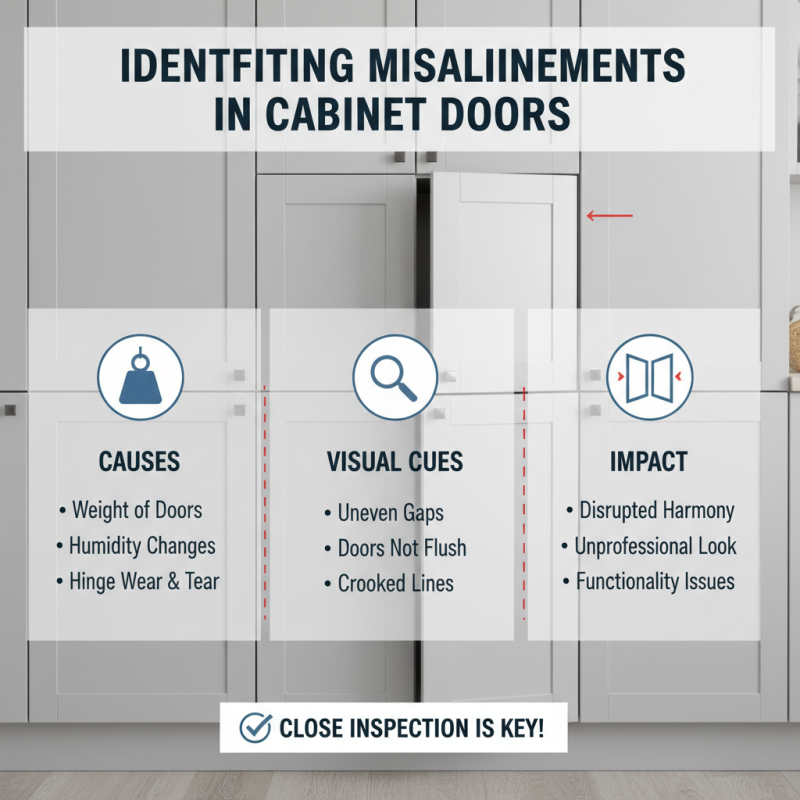
Identifying misalignments in cabinet doors is essential for achieving a sleek, professional look. Over time, cabinet doors can become uneven due to various factors. These factors include the weight of the doors, humidity changes, or wear and tear on the hinges. A close inspection can reveal gaps that disrupt the visual harmony of your cabinets. Look for doors that are slightly open or closed. Even a small misalignment can be noticeable.
Check the top and bottom edges of the doors. They should line up perfectly with the cabinet frame. If one side of the door is higher or lower, it creates a distracting imbalance. Furthermore, use a level to assess the alignment. Sometimes, the underlying cabinet may not be even. This can lead to further complications. Take note of any dark shadows or light gaps between the doors, as these indicate misalignment.
Be mindful of the hinge adjustments. They may require fine-tuning to achieve a perfect fit. A minor twist in the hinge can make a significant difference. If adjustments don’t yield results, consider the condition of the hinges. Worn-out hinges may need replacement. Regaining symmetry in cabinet doors requires both patience and a keen eye for detail. Misalignments may manifest in various ways, warranting thoughtful consideration before attempting repairs.
Tools and Supplies Needed for Adjusting Hinges
When adjusting cabinet hinges, having the right tools and supplies is essential. A simple screwdriver is often the primary tool needed. Typically, you will need a flat-head and a Phillips screwdriver for various hinge types. A small level can also help you ensure the cabinet doors are aligned properly. If you want to make fine adjustments, consider using a utility knife to trim any uneven edges.
Additionally, a measuring tape is beneficial. It helps you determine the exact height and spacing for perfect alignment. Keeping a flashlight handy can also be useful, especially in dimly lit kitchens or bathrooms. Sometimes, that little bit of extra light makes it easier to see what you are doing. After you gather your tools, double-check for any rust or grime on the hinges. Even a small amount of dirt can affect alignment.
While the right tools are crucial, it's also important to approach the task with patience. Adjusting hinges isn't always straightforward. You may find yourself making adjustments multiple times before achieving that perfect alignment. Don't rush the process. Each small tweak can lead to significant improvements. If something doesn’t look right, take a step back and reassess your work. It’s all part of the learning curve.
How to Adjust Cabinet Hinges for Perfect Alignment? - Tools and Supplies Needed for Adjusting Hinges
| Tool/Supply |
Purpose |
Adjustment Type |
| Screwdriver |
Tightening or loosening screws on hinges |
Vertical alignment |
| Allen Wrench |
Adjusting specific hinge types |
Depth alignment |
| Level |
Ensuring cabinet doors are even |
Horizontal alignment |
| Tape Measure |
Measuring gaps and clearances |
Gap adjustment |
| Lubricant |
Reducing friction on moving parts |
Smooth operation |
Step-by-Step Guide to Adjusting Cabinet Hinges
Adjusting cabinet hinges is essential for achieving perfect alignment. Many homeowners overlook this simple task. Yet, a smooth cabinet door enhances both functionality and aesthetics. A study by the National Kitchen and Bath Association reported that 70% of homeowners prioritize cabinet alignment in their kitchen design.
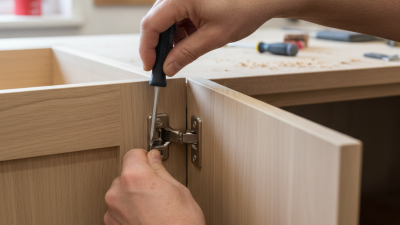
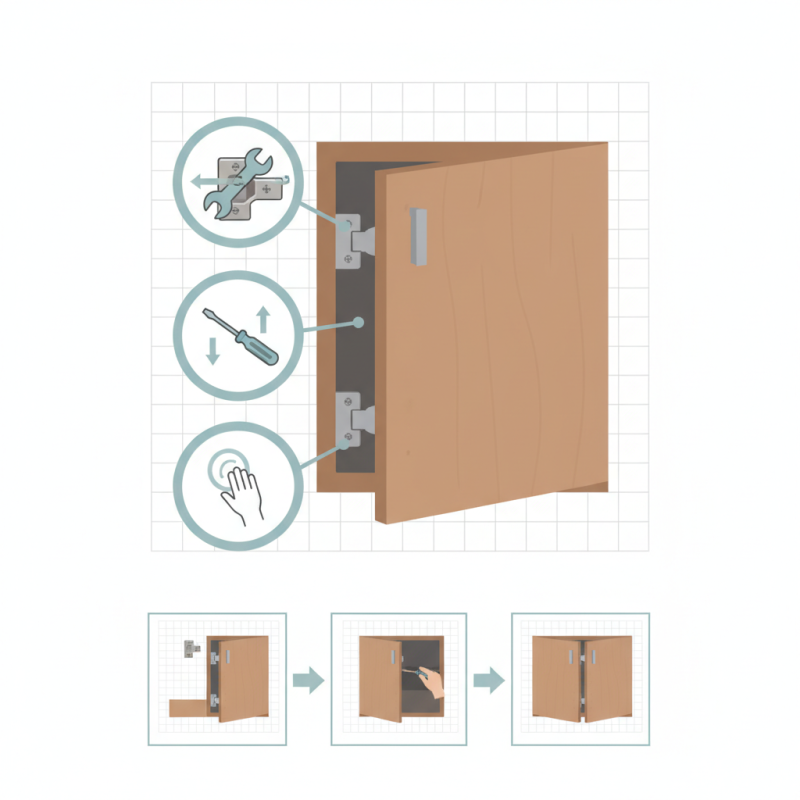
Start by checking if the hinge screws are tight. Loose screws can cause misalignment. Use a screwdriver to tighten them. However, be careful not to overtighten, as this may strip the wood. Experts recommend checking alignment after every seasonal change. Changes in humidity can affect wood and hinges.
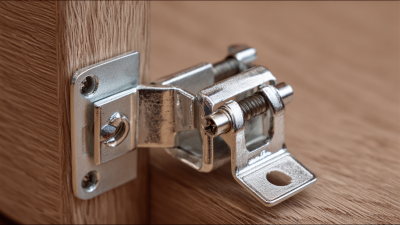
If doors still don’t align properly, adjust the hinge placement. Many hinges have multiple adjustment points. Try moving the door closer to or further from the cabinet frame. Small adjustments can make a significant difference. Often, homeowners feel frustrated when they can’t achieve perfect alignment. This can lead to an uneven appearance or difficulty in door operation. Embrace these challenges as learning experiences to refine your skills. With practice and patience, anyone can master this task.
Cabinet Hinges Adjustment Impact
Tips for Maintaining Aligned Cabinet Doors and Hinges
Maintaining aligned cabinet doors and hinges is crucial for functionality and aesthetics. Experts highlight that improperly aligned doors can lead to 35% more wear on hinges and mechanisms, which may eventually necessitate replacements. Regular checks can help catch misalignments early. A simple visual inspection every few months is often effective.
During these checks, it’s essential to observe gaps between the doors. If the gaps are uneven, there may be an adjustment needed. Most cabinet hinges allow for minor tweaks, which can improve alignment significantly. A study in the Journal of Furniture and Wood Technology revealed that even slight misalignments can impact a door's operation. It shows that precision is key.
When making adjustments, using proper tools is vital. A screwdriver is typically all that’s needed for minor adjustments. However, some misalignments can signal deeper structural issues. For example, a warped cabinet frame may require professional help. Reflecting on the condition of your cabinets can help you identify if recurring misalignment occurs. This emphasizes the need for constant vigilance and care in your cabinetry.