Why Choose Antique Door Hinges for Your Projects?
Antique Door Hinges can change the way a room feels before anyone notices the door itself. Their worn surfaces, shaped knuckles, and hand-forged details bring visible age and character to cabinetry, entryways, and restoration projects. Yet appearance is only part of the decision. A hinge must also suit the door’s weight, thickness, swing, and existing mortise. A beautiful mismatch can sag, scrape, or leave the door sitting unevenly.
The design principle behind this choice echoes William Morris, the influential designer and craftsman: “Have nothing in your houses that you do not know to be useful, or believe to be beautiful.” Antique hinges can answer both parts when selected with care. Look closely at the pin, leaf shape, finish, and wear. Check measurements against the door, and test movement before installation. For a valuable historic door, a qualified architectural-hardware conservator can help assess whether replacement or repair is more appropriate. Small details matter.
Old does not always mean suitable. Some hinges have been altered, damaged, or paired with doors they were never meant to carry. That deserves a second look. This guide explores why Antique Door Hinges appeal to homeowners and restoration professionals, how their materials and styles influence a project, and what to inspect before choosing a set. Expect practical trade-offs, not nostalgia alone. The right hinge should feel at home, open smoothly, and respect the door’s history—even if the finish is less perfect than expected.
Understanding the History and Design of Antique Door Hinges
Antique door hinges reveal how builders solved everyday problems before modern hardware became standardized. Early examples were often forged by hand, so small differences in leaf shape, pin thickness, and surface texture are normal. On a restored door, those details can show whether a hinge belongs to the building’s period or was added later. Look closely at the knuckles and screw holes. Uneven spacing may be evidence of handwork, not poor quality.
Design also followed function. Strap hinges spread weight across wide or heavy doors, while butt hinges sat closer to the frame and suited more compact openings. Iron and steel were common choices, and some hinges developed a dark, matte patina through years of use. That finish can be attractive, but rust, looseness, or a bent pin may affect safe operation. Not every old hinge is worth saving. The judgment is not always obvious. Before choosing one for a project, measure the door’s thickness, weight, and swing direction, then check that the hinge can be securely mounted. Antique hardware brings character, but its age alone does not guarantee a good fit. A careful inspection, and sometimes a second opinion, can prevent a beautiful detail from becoming a daily frustration.
Examining the Materials and Craftsmanship Behind Their Appeal
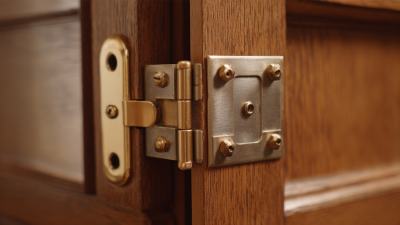
Antique door hinges appeal through the materials and work visible in their surfaces. Older examples may be made from forged iron, brass, or other metals, each aging differently. Iron can show a dark, uneven finish, while brass may develop warm brown or greenish tones. That texture matters. It gives a door a sense of use that newly manufactured hardware often lacks. Look closely at the knuckles, leaf edges, and screw holes. Hand finishing may leave slight variations, but those details should not be confused with damage.
Good craftsmanship also appears in how smoothly a hinge moves and how evenly its leaves meet. Before choosing one, check for cracks, loose pins, excessive wear, and signs of distortion. A hinge can look striking yet fit poorly or struggle with a heavy door. Measure the existing mortise and compare the hinge’s size and mounting pattern. Antique hardware may need careful cleaning and occasional maintenance; its finish is not always uniform or easy to reproduce. I find that inconsistency part of its character, though it can be frustrating when a project calls for a perfectly matched pair. A sound choice balances appearance with reliable movement and a suitable load capacity.
Comparing Their Practical Benefits with Modern Hinges
Antique door hinges can solve a practical design problem: they suit doors and frames whose proportions look awkward with sleek, modern hardware. Their visible knuckles, hand-finished surfaces, and aged patina can also make a replacement feel consistent with an older interior. On a restoration, that visual match matters.
Performance depends on condition, not age alone. Older hinges may have worn pins, loose screws, or leaves that no longer sit flat. A door can sag or scrape if the hinge is undersized. Check the leaf dimensions, screw-hole spacing, pin movement, and door weight before fitting one. A little resistance is normal. A loose pin is not.
Modern hinges often offer predictable sizing, concealed fasteners, or built-in adjustment, which can make installation and later repairs simpler. Antique hinges may require careful cleaning and patient fitting, especially when their measurements differ from current standards. That takes time. For a frequently used entry door, consistent operation may matter more than a perfect historical match. For a lighter interior door, an antique hinge in sound condition can provide dependable movement and a more coherent finish. One trade-off is easy to overlook: an old hinge may look sturdy while its pin is badly worn.
Why Choose Antique Door Hinges? A Practical Comparison
A qualitative guide to common selection considerations for antique and modern hinges. Ratings are illustrative, not laboratory measurements; actual performance depends on the hinge’s materials, design, condition, and installation.
Scale: 1 = typically less suited; 5 = typically more suited. Antique hinges can bring period character to restoration projects, while modern hinges are often easier to source with product specifications. Check the specific hinge and door requirements before choosing.
Selecting Antique Hinges to Suit Different Project Styles
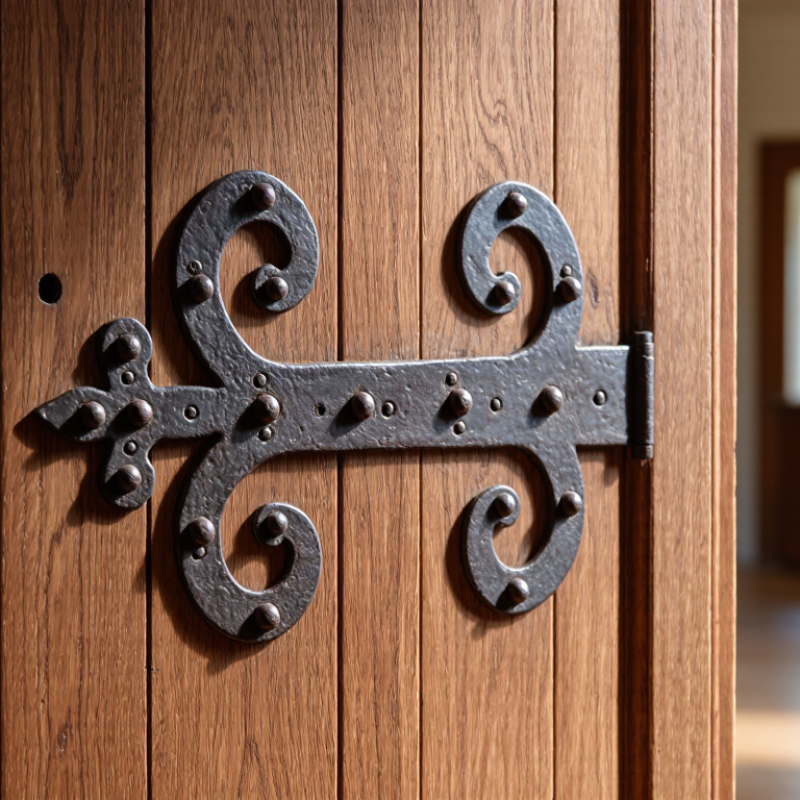
Antique hinges can shape a door’s character as much as its handle or finish. Match their form to the project: slim butt hinges suit restrained interiors, while decorative H-hinges bring a traditional presence to cottage or farmhouse doors. For Victorian-inspired rooms, try hinges with shaped ends and a dark, aged finish. Keep the surrounding hardware in mind. Mixed metals can look intentional, but only when their tones and proportions feel related.
Style should not outweigh function. A heavy timber door needs hinges rated for its weight, with enough clearance for a full swing. Check the door thickness, hinge spacing, screw-hole positions, and frame condition before buying reclaimed pieces. Small details matter. Old screws may be worn, and a hinge that looks beautiful on a workbench can bind once installed. That is easy to overlook.
For a contemporary project, antique hinges can add contrast without making the room feel like a period set. Pair simple, plain-finished hinges with clean-lined cabinetry, or use a single pair on a pantry door. For restoration, compare the hinge shape and patina with existing fittings; exact matches may be hard to find. A close match is sometimes more honest than forcing a new piece to look old. Inspect the pivot and leaves for looseness, corrosion, or distortion before installation.
Planning for Installation, Maintenance, and Long-Term Use
Antique hinges reward careful planning, not just a pleasing patina. Before installation, measure the leaves, screw-hole spacing, door thickness, and door weight. Old mortises may be shallow or uneven. A binding hinge can loosen screws and chip a fragile jamb. Check each knuckle for play, corrosion, and bent leaves, then test the swing with the door supported. Small details matter. Choose screws that seat fully without splitting the timber, and avoid forcing oversized screws into historic holes. For a heavy door, ask a qualified carpenter to confirm hinge capacity; appearance alone cannot establish a safe load.
Maintenance should preserve movement, not polish away history. Dust with a soft cloth, apply a small amount of suitable lubricant to the pivot, and wipe away excess. Check screws seasonally. NACE International’s IMPACT study estimated global corrosion costs at $2.5 trillion in 2013, about 3.4% of global GDP. It also estimated that corrosion-control practices could save 15–35% of that cost. These figures cover many industries, not door hinges, but they underscore the value of moisture control and routine inspection. Keep hinges dry, repair leaks, and watch for renewed rust or sagging. Not every old hinge is fit for daily use; admitting that early may prevent damage to the door.