China Top 10 Hinges Guides and Drawer Manufacturers?
Choosing reliable hardware suppliers requires more than comparing catalog prices. China’s hinge, slide, and drawer component industry includes large factories, specialized workshops, and export-focused manufacturers. Each serves different project needs. Some prioritize volume. Others focus on custom finishes, quiet movement, or strict dimensional control.
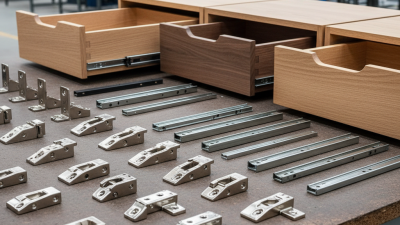
This guide introduces ten notable Chinese manufacturers related to Hinges-Guides-Drawers. It considers product range, manufacturing experience, quality systems, customization capacity, and communication reliability. Practical details matter here. A cabinet hinge should align smoothly after repeated opening. A drawer guide should carry its stated load without grinding. Surface plating should remain consistent around screw holes and edges.
Small differences become expensive problems. That is why supplier evaluation should include samples, technical drawings, load testing, and production inspections. Certifications can support confidence, but they do not replace direct verification. Factory visits, video audits, and batch records may reveal useful details. Still, no supplier is perfect. A strong manufacturer may have limited design flexibility, while a smaller specialist may need longer delivery times.
The companies discussed in this article are presented as potential partners, not automatic choices. Buyers should confirm current capabilities, materials, lead times, packaging standards, and after-sales support before signing contracts. We also recognize that rankings can change as factories expand, equipment improves, or market conditions shift. Use this guide as a practical starting point. Then test the details yourself.
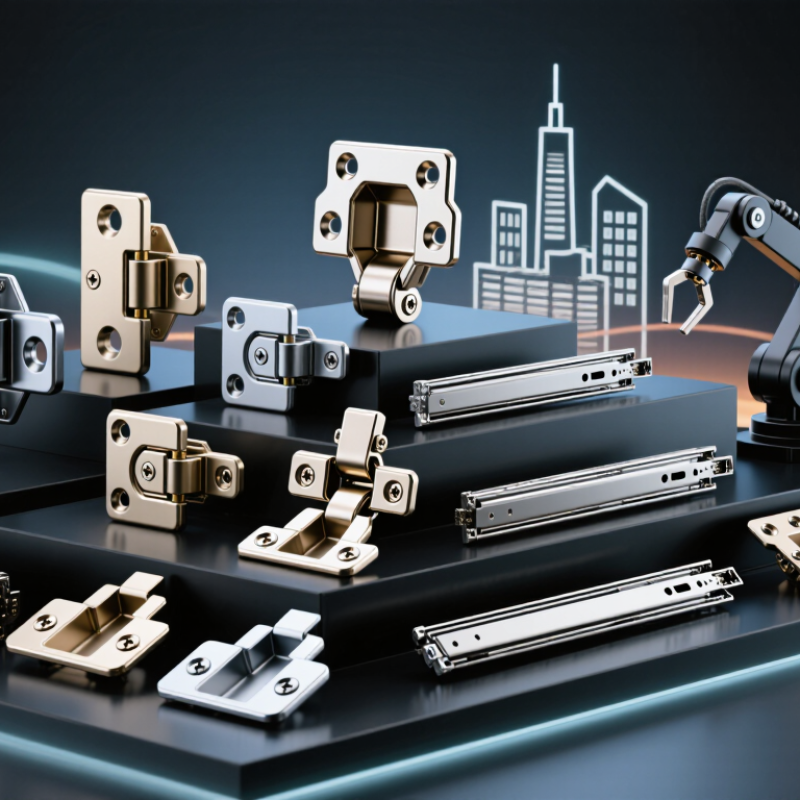
Understanding Hinges and Drawer Systems in China’s Hardware Industry
China’s hinge and drawer-system sector serves a large furniture manufacturing base. The China National Furniture Association reported that China’s furniture industry generated more than RMB 650 billion in operating revenue in 2023. That scale creates strong demand for concealed hinges, soft-close runners, and adjustable drawer systems. However, output volume does not prove engineering quality.
A practical top-ten review should examine load testing, cycle performance, corrosion resistance, and installation accuracy. EN 15570 recommends performance testing for furniture hinges, while EN 15338 addresses strength and durability for drawer runners. These standards help buyers compare suppliers beyond polished catalogs.
In factory audits, check stamping consistency, plating thickness, screw-hole alignment, and batch traceability. Small errors matter. A drawer may appear smooth empty, then sag under cookware.
Industry reports often highlight automation and export growth, but they may understate after-sales failures and replacement costs. This is where supplier experience becomes visible. Ask for test records, tolerance data, and samples from current production, not specially prepared pieces. My own caution is simple: a low unit price can hide weaker springs, thinner steel, or complicated installation. Data helps, but hands-on inspection still decides.
Key Criteria for Evaluating Chinese Hinge and Drawer Manufacturers
Choosing among China’s top hinge and drawer manufacturers requires more than reading a ranking. Factory experience matters. Ask how long the supplier has produced similar hardware and which markets it serves. Request material details, such as stainless steel grades, coating thickness, and rail load ratings. A reliable manufacturer should provide clear technical drawings, inspection records, and traceable batch information.
Visit the production site when possible. Observe stamping, welding, polishing, and assembly areas. Check whether workers use gauges during production, not only before shipment. Test samples with repeated opening cycles, loaded drawers, and misaligned cabinet panels. Measure noise, movement, corrosion resistance, and closing force. Small differences become obvious after installation.
Certifications can support trust, but they do not replace evidence. Confirm whether testing comes from an independent laboratory and matches your intended market. Review quality targets, defect handling, packaging strength, and replacement procedures. Communication also deserves attention. Can the supplier explain a tolerance problem without avoiding it?
No audit is perfect. I have seen attractive samples hide weak batch control. A thoughtful buyer should compare at least three suppliers and record every finding. Price can be useful, but an unusually low quote may reflect thinner materials, limited testing, or unstable production. Ask difficult questions early. Reliable cooperation is built through documented answers, consistent samples, and honest correction when something goes wrong.
China Top 10 Hinges Guides and Drawer Manufacturers? - Key Criteria for Evaluating Chinese Hinge and Drawer Manufacturers
Anonymous evaluation matrix. Manufacturer identities are intentionally omitted; all commercial figures should be verified through current quotations, samples, audit reports, and technical documentation.
| Rank |
Anonymous Manufacturer Profile |
Primary Product Focus |
Core Material |
Typical Load Rating |
Cycle-Test Evidence |
Relevant Standards |
OEM / Customization |
Indicative MOQ |
Sample Lead Time |
Quality-System Evidence |
Evaluation Score |
| 1 |
Profile A |
Concealed cabinet hinges and soft-close systems |
Cold-rolled steel / zinc alloy |
6–10 kg per pair |
80,000–100,000 cycles |
ISO 9001; EN 15570 reference |
High |
500–1,000 sets |
7–15 days |
Incoming, in-process, final inspection |
9.2/10 |
| 2 |
Profile B |
Ball-bearing drawer slides |
Galvanized steel |
35–45 kg per pair |
50,000–80,000 cycles |
ISO 9001; EN 15338 reference |
Medium–High |
1,000–2,000 pairs |
10–18 days |
Load, dimensional, coating inspection |
9.0/10 |
| 3 |
Profile C |
Undermount soft-close drawer systems |
Steel / engineered polymer |
30–40 kg per pair |
60,000–80,000 cycles |
ISO 9001; EN 15338 reference |
High |
500–1,000 pairs |
12–20 days |
Assembly and functional testing |
8.8/10 |
| 4 |
Profile D |
Heavy-duty hinges and industrial slides |
Stainless steel / high-carbon steel |
80–120 kg per pair |
50,000+ cycles |
ISO 9001; application-specific testing |
Medium |
200–500 pairs |
15–25 days |
Material certificates and load testing |
8.6/10 |
| 5 |
Profile E |
Glass-door hinges and compact fittings |
304 stainless steel / zinc alloy |
4–8 kg per pair |
40,000–60,000 cycles |
ISO 9001; corrosion testing |
High |
500–1,000 sets |
7–14 days |
Surface, fit, and corrosion inspection |
8.4/10 |
| 6 |
Profile F |
Standard cabinet hinges and drawer runners |
Cold-rolled steel |
5–8 kg per pair |
40,000–60,000 cycles |
ISO 9001; internal test procedures |
Medium–High |
2,000–5,000 sets |
10–18 days |
Sampling inspection and packaging control |
8.2/10 |
| 7 |
Profile G |
Aluminum-frame and specialty hinges |
Aluminum alloy / stainless steel |
5–12 kg per pair |
30,000–50,000 cycles |
ISO 9001; finish testing |
High |
300–800 sets |
12–22 days |
Dimensional and anodizing inspection |
8.0/10 |
| 8 |
Profile H |
Furniture hinges for residential projects |
Steel / nickel-plated steel |
4–7 kg per pair |
30,000–50,000 cycles |
ISO 9001; buyer specification |
Medium |
2,000–5,000 sets |
10–20 days |
Visual, dimensional, and plating checks |
7.8/10 |
| 9 |
Profile I |
Economy hinges and basic drawer slides |
Painted or zinc-plated steel |
20–35 kg per pair |
20,000–40,000 cycles |
Buyer specification; basic QC records |
Medium |
5,000–10,000 pairs |
15–25 days |
Basic sampling inspection |
7.5/10 |
| 10 |
Profile J |
Project-based mixed hardware supply |
Steel / stainless steel / alloy |
Application-dependent |
Product-specific |
ISO 9001 or buyer-defined requirements |
Very high |
300–2,000 units |
15–30 days |
Pre-shipment inspection available |
7.3/10 |
Recommended verification points: Confirm load ratings with the same installation method used in the project, request cycle-test reports for the exact model, check coating or corrosion results, review factory quality records, and approve a production sample before placing a bulk order.
China’s Top 10 Hinges and Drawer Manufacturers
China’s Top 10 Hinges and Drawer Manufacturers represent a broad manufacturing field, from compact cabinet hinges to heavy-duty drawer systems. A reliable comparison should examine more than product photographs. In practice, buyers should check steel thickness, opening cycles, corrosion resistance, load ratings, and adjustment accuracy. Sample testing matters. A drawer may slide smoothly in a showroom but feel loose after repeated use.
Experienced manufacturers usually provide technical drawings, installation guides, inspection records, and traceable material information. Their production lines may include stamping, CNC machining, coating, assembly, and cycle testing. Ask for samples from regular production, not specially prepared pieces. This small step can reveal uneven plating, sharp edges, weak springs, or inconsistent soft-closing performance. It is also useful to review factory quality controls, export experience, packaging methods, and compliance documents for the target market.
No manufacturer is perfect. Even strong suppliers may face delays during peak seasons or variation between batches. That deserves attention. Buyers should define tolerances, testing standards, warranty terms, and replacement procedures before placing large orders. A careful audit, clear drawings, and practical installation trials often provide more confidence than a polished catalog. In my experience, communication speed helps, but honest technical answers matter more.
Product Categories, Features, and Manufacturing Capabilities
China’s top ten hinge and drawer manufacturers should be assessed by product categories, tested features, and production depth. Common hinge categories include concealed, soft-closing, glass-door, corner, and heavy-duty models. Drawer products usually cover ball-bearing slides, undermount slides, push-to-open systems, and synchronized runners. Grand View Research valued the global furniture market at approximately US$516.66 billion in 2022, with steady growth expected through 2030. This expansion increases demand for quiet movement, compact hardware, and repeatable installation.
A capable manufacturer should show more than attractive samples. Look for progressive stamping, CNC machining, automated assembly, and controlled surface finishing. Steel thickness, load ratings, cycle-test results, salt-spray performance, and adjustment ranges deserve direct verification. Some factories support custom hole patterns, logo-free packaging, short tooling changes, and export documentation. ISO 9001-based quality systems can improve traceability, but certification alone proves little. Production records matter more.
The strongest candidates often separate engineering, tooling, inspection, and final assembly. A practical review should compare soft-close consistency at different temperatures, drawer alignment after repeated loading, and hinge performance on uneven cabinet doors. Market reports from Mordor Intelligence identify renovation and modular furniture as important hardware demand drivers, yet report definitions vary. That is worth remembering. A polished catalog may hide unstable tolerances. Even experienced buyers can overvalue price, then discover noise, sagging, or difficult installation months later.
This reference chart compares commonly specified rated load capacities for major cabinet hardware categories manufactured in China. Values represent typical commercial specifications rather than data from individual companies or brands. Hinges are generally evaluated by opening-cycle performance, while drawer systems are primarily rated by load capacity.
How to Select the Right Chinese Manufacturer for Your Project
Selecting a Chinese hinge or drawer manufacturer should begin with your project’s actual working conditions, not a glossy catalog. Measure door weight, opening angle, drawer load, cycle frequency, and installation space. A kitchen drawer used fifty times daily needs different testing than a light display cabinet. Ask for drawings, material grades, surface treatment details, and tolerance ranges. Small differences matter.
Request production samples before discussing large quantities. Check screw alignment, closing force, noise, coating uniformity, and movement after repeated cycles. If possible, inspect the factory or arrange an independent audit. Review tooling ownership, monthly capacity, quality checkpoints, and batch traceability. A reliable supplier should explain how defects are isolated and corrected. Documents help, but they are not proof alone. In real sourcing work, attractive samples can hide inconsistent spring tension in later batches.
Compare manufacturers by total project risk, not unit price. Confirm packaging protection, lead-time buffers, replacement procedures, and communication speed. Ask who approves engineering changes and how those changes are recorded. Use a written specification with drawings and acceptance criteria. Avoid vague promises. A lower quote may reflect thinner steel, weaker plating, or limited inspection. Leave room for testing. Your first supplier may not be your final choice, and that is a useful finding, not a failure.