How to Replace Shower Door Hinges Step by Step Guide for Homeowners
In the world of home renovations, the significance of proper maintenance cannot be overstated, particularly when it comes to essential fixtures like shower doors. The process of Shower Door Hinge Replacement may seem daunting to many homeowners; however, it is a critical undertaking that ensures both the functionality and aesthetic appeal of your bathroom. According to a report by the National Kitchen and Bath Association, nearly 80% of homeowners recognize that the condition of their bathroom fixtures can significantly impact both comfort and property value.
Expert contractor Mark Johnson emphasizes the importance of timely replacements, stating, "Addressing worn or damaged hinges not only improves safety but also enhances the overall experience when using the shower." In fact, professionals indicate that a properly functioning shower door can prevent water leakage, thereby reducing the risk of mold and structural damage, which can be costly over time. With this step-by-step guide, homeowners will find that engaging in the Shower Door Hinge Replacement process is not only manageable but also a worthwhile investment in their home.
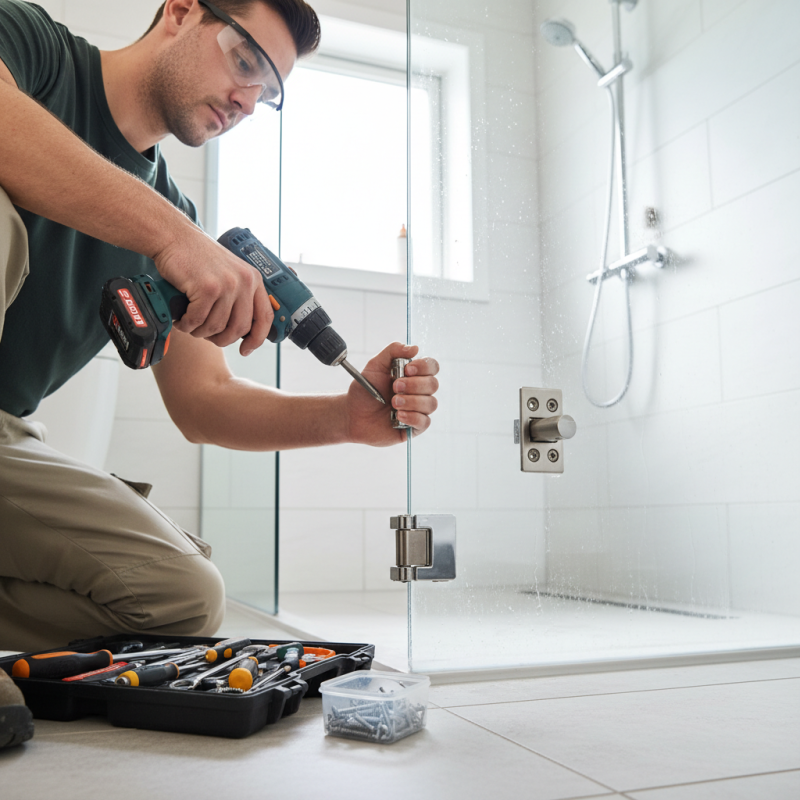
Gathering Necessary Tools and Materials for the Replacement
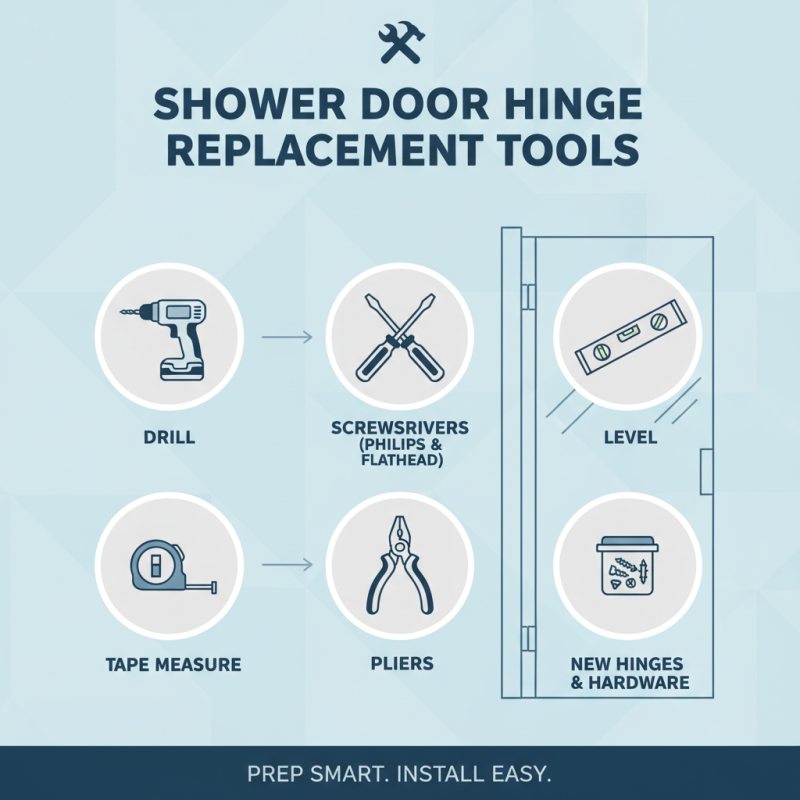
To successfully replace shower door hinges, it's essential to gather the necessary tools and materials beforehand. Start by collecting basic hand tools such as a drill, screwdriver (both Phillips and flathead), and a level to ensure everything is aligned properly during installation. A tape measure will also be useful for measuring the dimensions of the new hinges and the shower door to ensure a perfect fit. Having a pair of pliers on hand can assist in gripping and twisting any stubborn screws.
In addition to tools, you'll need to acquire the new shower door hinges. It’s a good idea to check the specifications of your current hinges to ensure compatibility. You might also want to have a silicone sealant ready to apply after installing the new hinges, which will help prevent water leakage. Safety goggles and gloves are recommended to protect yourself while working, especially when removing old hinges or handling glass doors. By gathering all the essential tools and materials in advance, you can make your hinge replacement project efficient and straightforward.
Identifying the Type of Shower Door Hinges to Replace
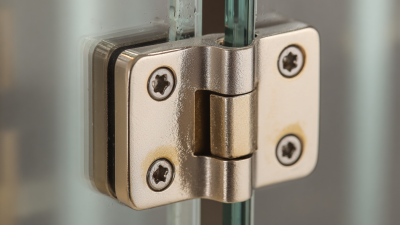
When considering a shower door hinge replacement, it’s essential to first identify the type of hinges currently in use. Commonly, shower door hinges fall into three categories: pivot hinges, continuous (piano) hinges, and bi-fold hinges. Understanding the specific type you have allows you to source the right replacements effectively. Data from a recent industry report indicates that nearly 30% of homeowners undertaking bathroom renovations encounter issues related to improper hinge selection, leading to a waste of time and resources.
When examining your shower door hinges, look closely for characteristics that define their type. For instance, pivot hinges are often mounted at the top and bottom of the door, providing a sleek, modern look, while continuous hinges run the length of the door, offering enhanced stability. Bi-fold hinges enable doors to fold inward, maximizing space in smaller bathrooms. By accurately identifying your hinges, you can ensure compatibility with new hardware, reducing unnecessary replacements.
**Tip:** Before purchasing new hinges, take detailed measurements and photographs of your existing setup. This practice not only aids in selecting the correct type but also allows you to compare styles and finishes that complement your bathroom decor. Additionally, consider consulting with a home improvement professional or utilizing online resources to ensure the hinges meet the necessary weight and usage requirements for your specific shower door.
How to Replace Shower Door Hinges
| Hinge Type |
Material |
Common Size (inches) |
Installation Difficulty |
Average Cost ($) |
| Pivot Hinge |
Brass |
2 x 2 |
Medium |
25 - 30 |
| Continuous Hinge |
Stainless Steel |
3 x 2 |
High |
30 - 40 |
| Piano Hinge |
Aluminum |
4 x 2 |
Medium |
20 - 25 |
| Wall Mount Hinge |
Plastic |
2 x 2 |
Easy |
15 - 20 |
Step-by-Step Instructions for Removing Old Hinges
Removing old shower door hinges is a crucial step in maintaining the functionality and aesthetics of your bathroom. According to a report by the Home Improvement Research Institute, approximately 70% of homeowners undertake some form of bathroom renovation, and hinge replacement is often one of the first tasks on the list. To begin, you will need to gather the necessary tools, including a screwdriver, a drill, and a utility knife. Ensure that you turn off any water sources connected to the shower door to avoid unnecessary mess and accidents.
Start by carefully unscrewing the existing hinges from the shower door and the wall or frame. It is advisable to support the shower door with a towel or a padded surface to prevent it from falling. When you remove the screws, keep them in a labeled container to avoid confusion when installing new hinges. If you encounter any caulking or sealant around the hinges, use a utility knife to cut through it gently. A survey conducted by the National Kitchen and Bath Association indicates that proper removal and installation can extend the lifespan of shower doors by up to 30%, emphasizing the importance of following these steps diligently for a long-lasting result.
Installing New Shower Door Hinges: A Detailed Process
Installing new shower door hinges is a task that can enhance both the functionality and aesthetics of your bathroom. According to a report by the Home Improvement Research Institute, homeowners who invest in bathroom improvements, such as updating shower hardware, can significantly boost their property value.
Given that shower doors are used daily, durable and well-functioning hinges are crucial for ensuring smooth operation and longevity.
When embarking on this project, it's essential to begin with the correct tools, which typically include a screwdriver, a drill, and a level. Prior to installation, remove the old hinges, making sure to take note of the positioning and configuration.
Align the new hinges precisely to prevent any misalignment issues that may cause undue strain on the doors. According to industry standards, proper alignment is vital to avoid premature wear and tear, as up to 30% of shower door malfunctions stem from incorrectly installed hinges.
Tips: Always opt for corrosion-resistant hinges, especially in wet environments, to extend their lifespan. Also, consider consulting the manufacturer's specifications for weight limits, as a heavier shower door needs more robust hinges for proper support.
Ensuring that your hinges are level during installation can prevent the doors from sagging, which is a common problem that can lead to water leakage and additional repair costs in the future.
Ensuring Proper Alignment and Functionality of Hinges After Installation
Ensuring proper alignment and functionality of shower door hinges after installation is crucial for maintaining both aesthetics and performance. According to a report from the Home Improvement Research Institute, nearly 70% of homeowners experience issues with misaligned shower doors, which can lead to water leakage and mold growth over time. Therefore, a careful approach to hinge installation and alignment is essential for preventing these common problems.
To ensure the right alignment, homeowners should first focus on the vertical positioning of the door. The hinges need to be adjusted so that the door hangs evenly and opens and closes smoothly. This involves using a level during installation to avoid any tilting. Studies from the National Kitchen and Bath Association indicate that proper hinge alignment can extend the life of shower doors by up to 30%, reinforcing the importance of meticulous installation. Furthermore, ensuring that the hinges are securely fastened and that the screws are not overly tightened can also prevent wear and tear, contributing to the overall functionality of the shower door system.
Regular maintenance and periodic checks are also recommended post-installation. According to industry standards, homeowners should inspect their shower door hinges every six months to ensure they remain in optimal condition. This includes checking for signs of rust or wear and ensuring that the hinge pivots are lubricated. Such proactive measures can significantly reduce the likelihood of hinge failure, enhancing the overall longevity and reliability of shower door systems.
Shower Door Hinge Replacement Efficiency