What are Hinges Guides and Drawers and How Do They Work in Furniture Design
In the world of furniture design, the intricacies of construction and functionality are vital for creating both aesthetic appeal and practical use. Central to this discussion are hinges, guides, and drawers—components that collectively enhance the performance and versatility of furniture pieces. Hinges allow doors to open and close smoothly, ensuring easy access while maintaining structural integrity. Guides, on the other hand, facilitate the seamless movement of drawers, providing a stable framework that supports weight and enhances user experience.
Understanding how hinges, guides, and drawers work together not only informs the design process but also influences the longevity and usability of furniture. This interplay is crucial for designers who aim to balance form and function, creating pieces that are not only visually pleasing but also user-friendly. As we explore these components in detail, we will uncover their roles in enhancing furniture designs, addressing both mechanical functions and aesthetic considerations, while also shedding light on how innovative configurations can lead to more efficient living spaces.
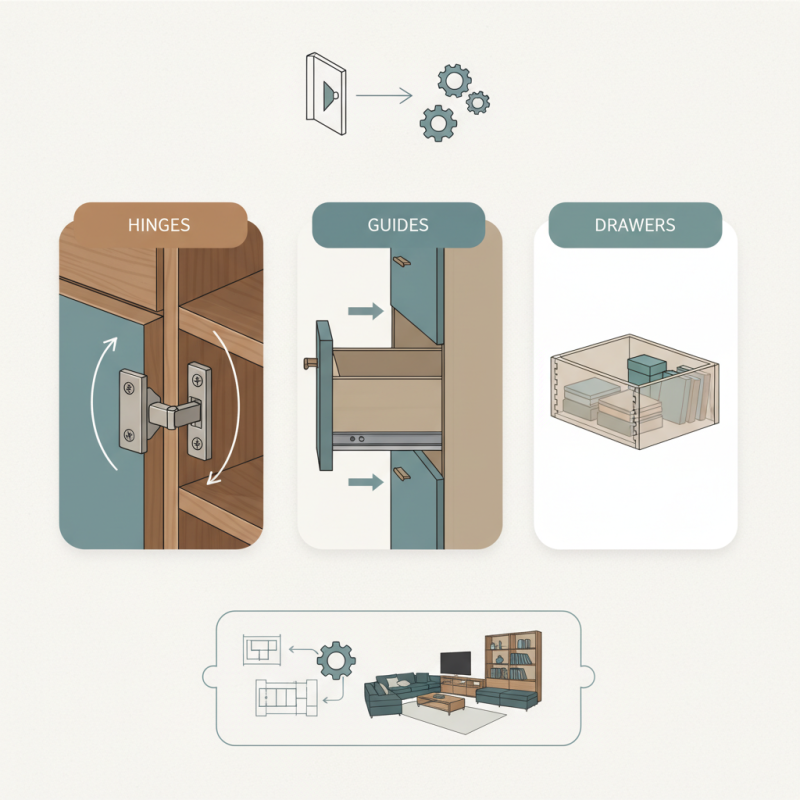
Understanding Hinges in Furniture Design: Types and Functions
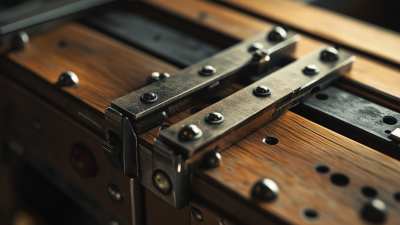
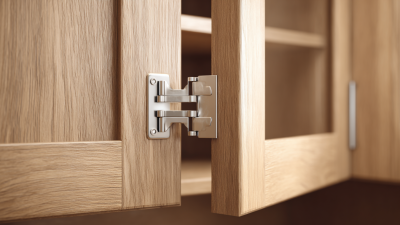
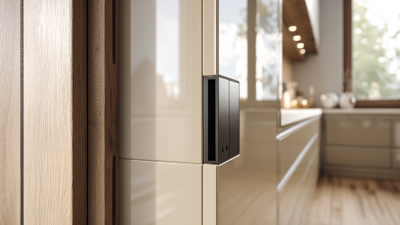
Hinges play a crucial role in furniture design by providing functionality and ease of use to various items, from cabinets to doors. There are several types of hinges, each designed to meet specific requirements within furniture construction. For example, butt hinges are commonly used for doors and lids, allowing for a smooth opening and closing motion. Continuous or piano hinges provide strength and stability along the entire length of doors or panels, making them ideal for heavy-duty applications. Additionally, hidden or concealed hinges are popular in modern designs, offering aesthetic appeal by keeping hardware out of sight while maintaining functional integrity.
The function of hinges extends beyond mere support; they also contribute to the overall design and user experience. A well-placed hinge allows for better access to interiors, ensuring that drawers and doors open fully without obstruction. Moreover, some hinges incorporate features like soft-close technology, which prevents slamming and promotes quieter operation. The choice of hinge can enhance both the durability and visual appeal of furniture, aligning with the designer's intent while accommodating the practical needs of the user. By understanding the types and functions of hinges, furniture designers can create pieces that are not only visually stunning but also highly functional and user-friendly.
Exploring Guide Systems: Ensuring Smooth Movement in Furniture
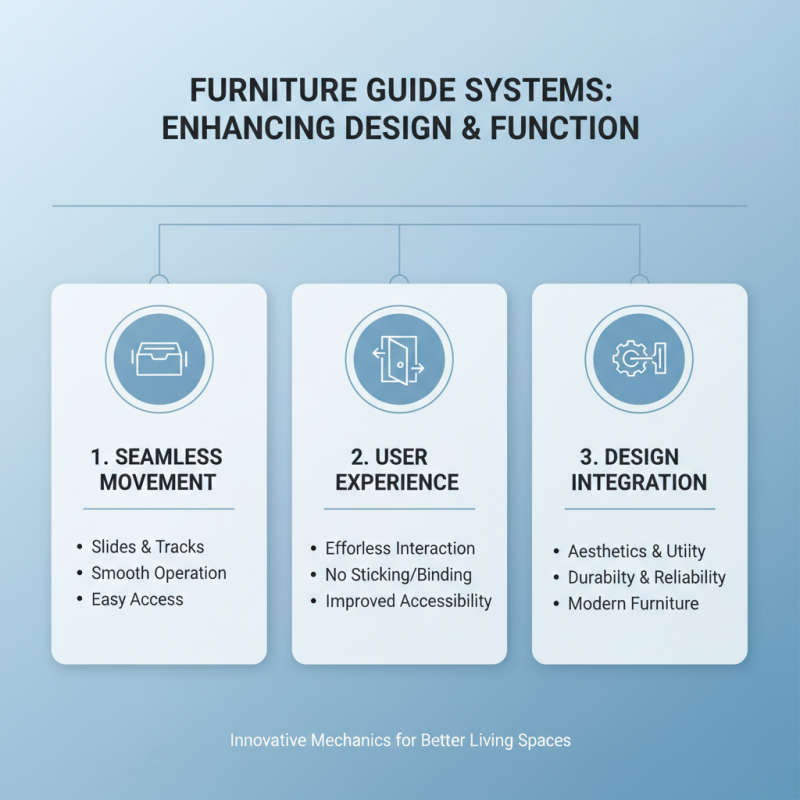
Guide systems play a crucial role in the functionality and aesthetics of furniture design, particularly when it comes to the movement of drawers and doors. These systems include various components such as slides, tracks, and hinges that ensure a seamless interaction between the furniture and its users. By providing smooth movement, guide systems enhance user experience, making it easier to access stored items without the frustration of sticking or cumbersome mechanisms.
The engineering behind guide systems is often complex, balancing weight distribution with user-friendly designs. For instance, drawer slides may utilize ball bearings or friction systems to allow for gliding motions, while door hinges can be designed for soft-closing functionality to prevent slamming. This meticulous attention to detail not only contributes to the durability of furniture but also reflects the designer's intent to integrate practicality with elegance. Ensuring that these systems are properly implemented is essential for creating functional and visually pleasing pieces that meet the demands of everyday use.
Drawer Mechanisms: Various Designs and Operational Features
Drawer mechanisms are essential components in furniture design, providing functionality and enhancing usability. Various designs exist, each with unique operational features that cater to different user needs and preferences. Common types of drawer mechanisms include side-mount, undermount, and center-mount slides. Side-mount slides are popular for their ease of installation and adjustment, allowing for a smooth sliding motion. Undermount slides offer a clean aesthetic and are often used in modern cabinetry, while center-mount slides provide a traditional look and can support heavier loads.
When selecting drawer mechanisms, consider the intended use and weight capacity. A tip for homeowners is to opt for soft-close mechanisms for a quieter and more refined user experience, as they prevent slamming and extend the life of the furniture. Additionally, ensure that the mounting hardware is installed correctly to avoid issues with alignment and functionality over time.
Another important aspect to consider is the material of the drawer slides. Metal slides typically offer greater durability and support than plastic ones, making them ideal for frequently used drawers. Remember to test the glide action of the drawers during the selection process to ensure optimal performance and satisfaction.
The Role of Hinges and Guides in Enhancing Furniture Longevity
Hinges and guides are critical components in furniture design that significantly enhance the longevity and usability of various furniture pieces. Hinges allow for smooth movement in doors and lids, while guides facilitate the operation of drawers and sliding mechanisms. Together, they ensure that the furniture functions properly over time, reducing wear and tear from frequent use. High-quality hinges are designed to withstand repeated motions, minimizing the risk of squeaking, misalignment, or failure.
Properly integrated guides can also prevent issues that arise from heavy or unevenly loaded drawers, supporting consistent operation and helping maintain the structural integrity of furniture. By ensuring that drawers slide seamlessly and securely, guides mitigate the chances of damage or misalignment, prolonging the lifespan of both the furniture and its parts. When designers choose the right hinges and guides, they significantly enhance the overall durability, functionality, and aesthetic appeal of furniture, making them indispensable in the craftsmanship of long-lasting furniture.
Impact of Hinges and Guides on Furniture Longevity
Installation and Maintenance Tips for Hinges and Drawers in Furniture
When it comes to furniture design, hinges and drawers are critical components that enhance functionality and aesthetic appeal. Proper installation and maintenance of these features can significantly extend the lifespan of the furniture. According to a recent report from the Furniture Industry Research Institute, approximately 30% of furniture malfunctions can be traced back to poor installation, especially with hinges and drawers. Ensuring that these elements are fitted correctly can improve the overall user experience and prevent premature wear and tear.
For installation, it's essential to use the correct tools and follow the manufacturer's guidelines carefully. This can make a difference in how smoothly a drawer opens or how well a hinge supports the weight of a cabinet door. Notably, aligning hinges accurately can help achieve a flush finish, which is not only visually appealing but also functional, as misalignment can lead to defects over time. Regular maintenance is equally vital; periodic checks for loose screws and adjusting the tension of the hinges can prevent bigger issues down the line. Studies indicate that routine maintenance can reduce repair costs by up to 50%, underscoring the importance of taking preventative measures to keep furniture in optimal condition.