How to Choose the Right Cabinet Hinge for Your Home Improvement Project
When embarking on a home improvement project, selecting the right cabinet hinge may not be the first thought that crosses your mind, yet it is a crucial component that can significantly affect both functionality and aesthetics. According to John Smith, a leading expert in cabinet hardware, “The right cabinet hinge can enhance not only the performance of your cabinets but also their overall design.” Understanding the different types of cabinet hinges available can help homeowners make informed decisions that align with their specific needs and preferences.
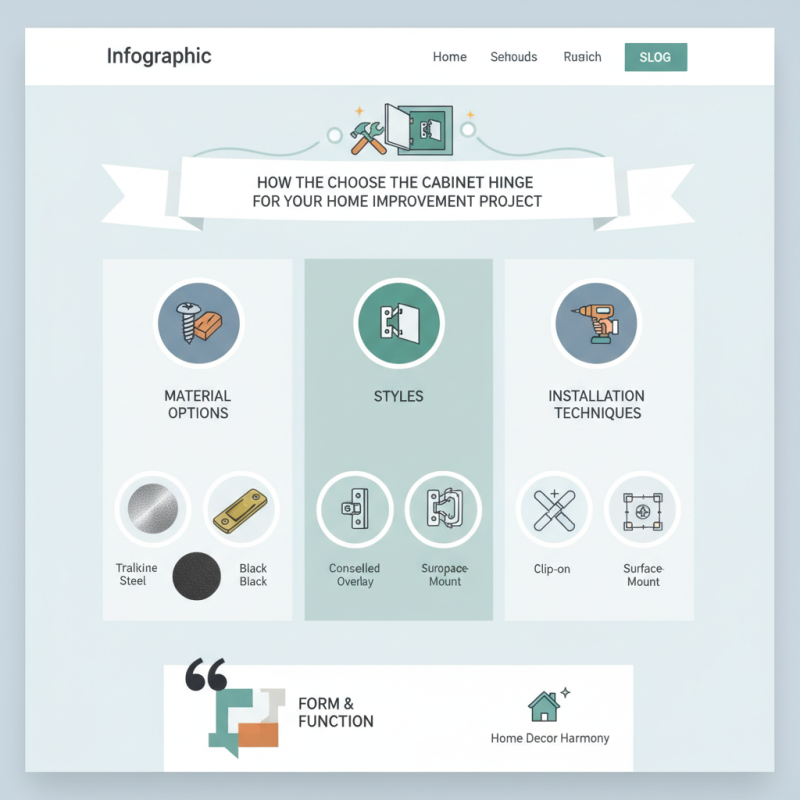
In this guide, we will explore various aspects of cabinet hinges, including material options, styles, and installation techniques. By examining these factors, you can ensure that your choices not only meet the practical requirements of your kitchen or bathroom but also harmonize with your interior decor. Remember, a small detail like a cabinet hinge can make a big impact on the overall look and functionality of your cabinetry, making it an essential aspect of the home improvement process.
Understanding the Importance of Choosing the Right Cabinet Hinge
When embarking on a home improvement project, the significance of selecting the right cabinet hinge often goes overlooked. However, these small mechanisms play a vital role in ensuring the functionality and aesthetics of your cabinetry. The proper hinge not only supports the weight of the door but also affects how smoothly it opens and closes. Choosing a hinge that complements the design of your cabinets can enhance the overall look of your space, making it feel cohesive and well thought out.
Understanding the various types of hinges available is crucial. Factors such as cabinet style, door weight, and the desired opening angle should all influence your decision. For example, concealed hinges offer a sleek, modern look, while traditional hinges can add a classic touch. Additionally, selecting the right material and finish can significantly impact the durability and maintenance of the hinges. By taking the time to assess your options and understanding the importance of each type, you can ensure a successful home improvement project that not only meets your functional needs but also elevates the aesthetic of your living space.
How to Choose the Right Cabinet Hinge for Your Home Improvement Project
| Hinge Type |
Material |
Load Capacity |
Finish Options |
Ideal For |
| Full Overlay |
Steel |
40 lbs |
Nickel, Black, Bronze |
Modern Cabinets |
| Concealed |
Zinc Alloy |
30 lbs |
Satin Chrome, Brass |
Traditional & Contemporary |
| Piano Hinge |
Stainless Steel |
100 lbs |
Polished, Brushed |
Heavy-duty Applications |
| European Hinge |
Steel |
50 lbs |
White, Black |
Frameless Cabinets |
| Self-Closing Hinge |
Aluminum |
35 lbs |
Satin Nickel, Matte Black |
Kitchen & Utility Cabinets |
Types of Cabinet Hinges: A Comprehensive Overview of Styles and Functions
When it comes to selecting cabinet hinges for your home improvement project, understanding the different types and their functionalities is crucial. There are several styles of cabinet hinges, each designed to accommodate specific needs in terms of aesthetics, space, and usability. The most common varieties include concealed hinges, traditional butt hinges, and piano hinges.
Concealed hinges, often favored for their sleek, flush appearance, are particularly popular in modern kitchen designs, contributing to a clean look while allowing for adjustable door alignment. According to a report by the National Kitchen and Bath Association, approximately 65% of homeowners opt for concealed hinges when updating their cabinets.
Traditional butt hinges, on the other hand, provide a classic look and are ideal for heavier doors, making them a staple in older homes and rustic designs. Piano hinges, extending the full length of cabinet doors, offer unmatched sturdiness and are often seen in larger cabinetry or furniture pieces needing continuous support.
Functionality also varies significantly across hinge types. Soft-close hinges have gained traction in recent years, with nearly 50% of remodelers choosing them for their ability to prevent slamming—a feature that enhances the longevity of both doors and cabinetry. As homeowners increasingly focus on quality and durability, understanding these options becomes essential in making informed decisions for any home improvement project.
Factors to Consider When Selecting Cabinet Hinges for Durability and Style
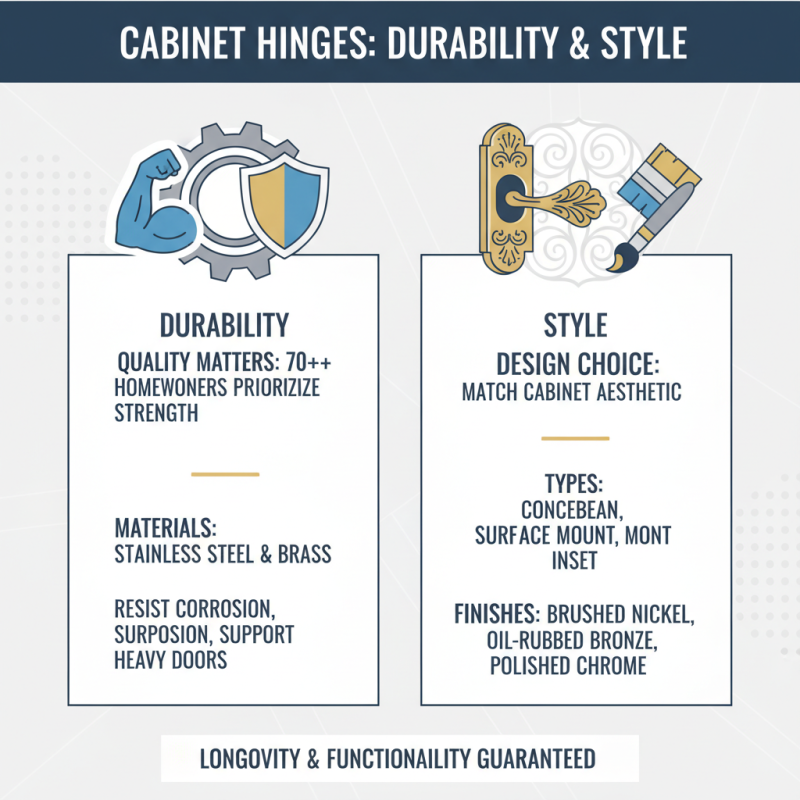
When selecting cabinet hinges for your home improvement project, it's essential to consider both durability and style to ensure a perfect fit for your cabinets. According to a recent industry report by the Kitchen Cabinet Manufacturers Association (KCMA), over 70% of homeowners prioritize hinge quality, as they directly influence the longevity of cabinetry. High-quality hinges can withstand daily use and maintain their functionality for years, making materials like stainless steel or brass integral to the selection process. These materials not only resist corrosion but also provide the strength needed for heavy cabinet doors.
Style is equally important, as the right hinge can enhance the overall aesthetic of your kitchen or bathroom. Hinge designs range from traditional to contemporary, allowing homeowners to customize their cabinetry to fit their décor. A study by the National Kitchen and Bath Association (NKBA) found that aesthetically pleasing hardware is one of the top considerations for 65% of kitchen renovations. Additionally, choosing hinges that complement other elements, such as cabinet finishes or countertop materials, creates a cohesive look that adds value to your home. Prioritizing both durability and style will ensure that you select hinges that not only perform well but also enhance the beauty of your space.
Calculating Weight Capacities: Ensuring Suitable Hinges for Your Cabinets
When selecting the right cabinet hinge for your home improvement project, one critical aspect to consider is the weight capacity of the hinge. The weight of the cabinet door can significantly affect the performance and longevity of the hinge, making it essential to calculate the total weight that the hinge will need to support. This includes not only the door itself but also any hardware, finishes, and contents that may contribute to the total load. Accurate weight assessment allows for a proper match between the hinge and the door, ensuring smooth functionality.
To ensure suitable hinges for your cabinets, start by weighing the door and adding the estimated weight of any additional components. Once you have a total weight figure, refer to the specifications of various hinge types, which often indicate their weight capacity. Be sure to consider the material of the hinge, as some materials provide greater strength and durability than others. Transitions such as swinging or folding should also be factored in, as they may influence how weight is distributed across the hinge. Taking these measurements seriously will help you choose hinges that not only fit your aesthetic needs but also promise reliable operation over time.
Installation Tips: Achieving Optimal Functionality and Aesthetics with Hinges
When embarking on a home improvement project that involves cabinet hinges, achieving both optimal functionality and aesthetic appeal is paramount. The right hinge can enhance the ease of use while complementing the overall design of your cabinets. Pay attention to the hinge type you choose; options such as concealed, pivot, and European hinges can dramatically alter the look and feel of your installation.
**Tips:** Before installation, ensure that you measure the hinge placement carefully. A common mistake is misaligning hinges, which can lead to the doors not closing properly. Additionally, consider the weight of your cabinet doors. Heavy doors require sturdier hinges that can withstand wear over time. Using a drill with adjustable speed settings can help you drive screws smoothly without damaging the wood.
Proper installation techniques are essential for achieving a seamless fit. Start with a level to mark your hinge positions accurately—they should sit flush with the cabinet side. If you're opting for concealed hinges, follow the manufacturer's instructions for boring placement, as precise cuts will ensure a professional finish. Lastly, test the door movement after installation. A smooth operation not only enhances functionality but also contributes to the beauty of your remodeled space.
Cabinet Hinge Selection - Data Visualization