Leave Your Message

How to Choose the Right Cabinet Hinge for Global Sourcing?

Choosing the right Cabinet Hinge for global sourcing requires more than comparing prices. The hinge must match the cabinet’s door weight, opening angle, material, and installation method. A small mismatch can cause sagging doors, uneven gaps, or repeated returns. These problems become expensive when products cross borders.

Experienced buyers usually begin with clear technical details. They check overlay size, cup diameter, mounting plate style, adjustment range, and closing performance. Stainless steel may suit humid kitchens, while zinc alloy can support other cost targets. Soft-close models need reliable dampers, not just attractive packaging. A practical sample test should include repeated opening, vibration, and load checks. It should also examine screws, coating quality, and hinge movement by hand.

Supplier evaluation matters equally. Ask for material specifications, inspection records, production capacity, and consistent sample results. Factory photographs can help, but they never replace physical verification. A supplier may provide an excellent sample and deliver a weaker batch. That risk deserves attention. No sourcing plan is perfect. Even careful teams can overlook packaging damage, changing metal prices, or unclear tolerances. This article explains how to compare Cabinet Hinge options with greater confidence. It connects technical performance with supplier reliability, shipping conditions, and long-term cabinet use. The goal is not to find the cheapest hinge. It is to select a dependable component that performs consistently across markets and production runs.
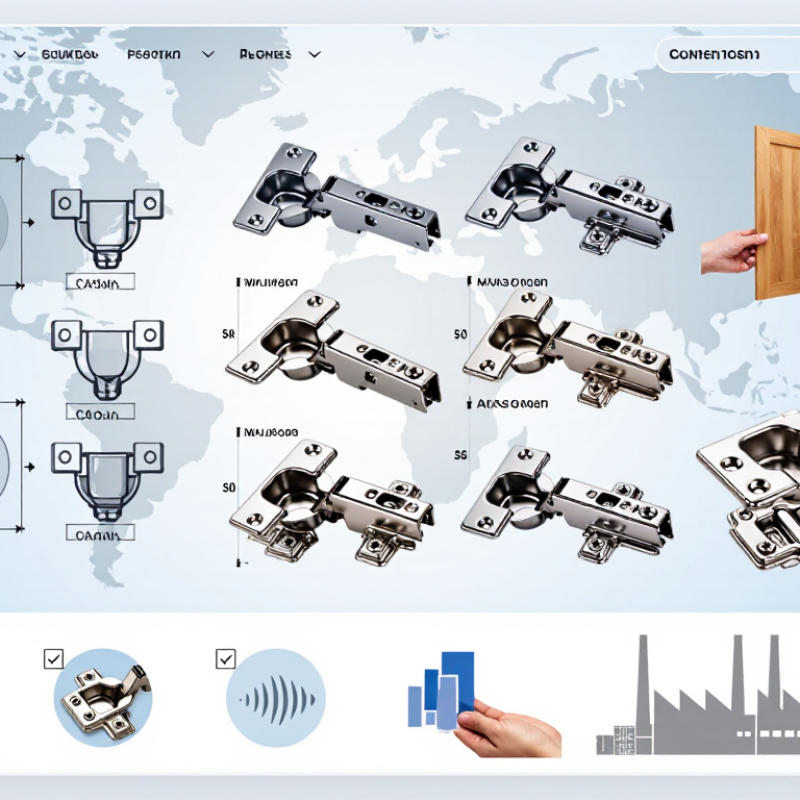
How to Choose the Right Cabinet Hinge for Global Sourcing?

Define Cabinet Hinge Types and Their Functional Differences

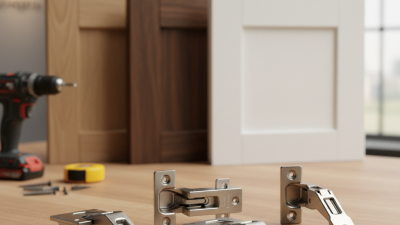
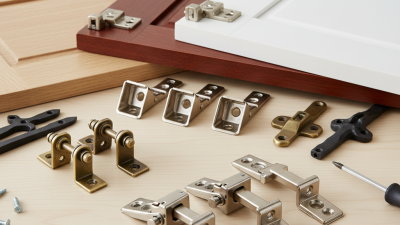
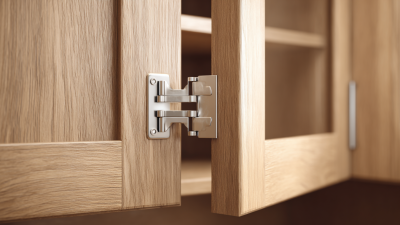
Choosing the right hinge begins with cabinet construction, not appearance. A concealed cup hinge hides inside the side panel and suits modern doors. Its overlay, half-overlay, or inset setting controls door position. A butt hinge stays visible and offers traditional movement. A pivot hinge supports doors from the top and bottom, making it useful for wide or heavy panels.

Each type changes drilling, clearance, adjustment, and installation labor. Measure door thickness and frame geometry before requesting global quotations. Small errors become expensive across thousands of units.

Soft-close concealed hinges slow final movement and reduce impact noise. They need accurate adjustment; otherwise, doors may stop unevenly. A clip-on model speeds assembly, while a fixed-plate model may resist movement during shipping.

Full-overlay doors cover the cabinet side. Inset doors sit inside the opening and require tighter tolerances. Piano hinges spread load along a long edge, but they expose more hardware.

Function matters more than a low unit price. It is easy to compare finishes and miss cycle testing.

For international sourcing, send suppliers a drawing with cup diameter, opening angle, overlay, screw spacing, load target, and corrosion requirements. Request production samples, not only catalog images. Test alignment, closing force, and repeated cycles on the actual panel.

I have seen a hinge pass bench checks yet bind after humidity changes. That result deserves investigation, not excuses.

Material thickness, plating quality, and replacement availability also affect total cost. Keep acceptance records with measured tolerances, batch numbers, and photographs.
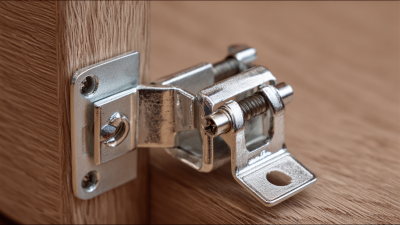
Assess Door Size, Weight, Material, and Opening Requirements

Choosing the right cabinet hinge starts with the door, not the hinge catalogue. Measure height, width, thickness, and weight, including handles and glass panels. A tall oak door needs more support than a small plywood door. Door width also creates leverage. As a practical rule, divide large doors into two or three mounting zones, then confirm the manufacturer’s load rating.

Material changes performance. Solid timber may expand across its grain, while MDF offers more predictable dimensions but weaker screw retention near damaged edges. Glass doors require dedicated mounting methods. Check overlay, half-overlay, or inset construction before ordering. Opening requirements matter too. A tight corner may need a 95-degree hinge, while wide access may require 110 or 155 degrees. The 2024 Houzz U.S. Kitchen Trends Study reports that 76% of renovating homeowners upgraded their cabinets. This supports careful hinge selection during global sourcing, not rushed replacement decisions.

Tips: Request samples in the actual door material. Test 50 to 100 opening cycles before mass production. Compare screw pull-out, closing speed, alignment, and noise. EN 15570:2008 provides durability guidance for furniture hinges, while ANSI/BHMA A156.9 covers cabinet hardware performance. These standards help, but they do not replace a factory trial. A spreadsheet can miss humidity, uneven installation, or a heavy handle. I have seen a technically suitable hinge fail because the mounting plate shifted slightly. Recheck tolerances. Small errors become expensive across thousands of doors.

Match Hinge Features with Cabinet Design and Installation Needs

Choosing the right cabinet hinge starts with the cabinet structure. Frameless, face-frame, and inset cabinets require different mounting solutions. Measure door thickness, overlay, cup drilling distance, and opening angle. A hinge can match the catalog and still fail on site. Small mismatch.

Installation conditions matter as much as appearance. For heavy solid-wood doors, choose reinforced hinges with reliable adjustment. Soft-close models can reduce impact, but not every project needs that feature. In humid regions, select finishes designed to resist corrosion. For narrow interiors, a compact hinge arm may prevent door interference. Confirm screw dimensions and pilot-hole requirements before production. I learned this the hard way: one sample shifted after several weeks because its mounting plate offered limited adjustment. The sample was fine. The installation plan was not.

Global sourcing requires a clear technical sheet. Include drawings, tolerances, material details, and testing requirements. Ask suppliers for load data, cycle-test methods, and inspection records. Test samples with the actual cabinet door, not a lighter substitute. Check overlay with a ruler and closing speed at different temperatures. Packaging also matters. Loose plates can scratch during transit. Installers may use different tools across markets, so provide drilling templates and clear instructions. Field feedback may still expose assumptions, which means the specification should be reviewed before repeat orders.

Compare Materials, Finishes, Standards, and Supplier Quality

How to Choose the Right Cabinet Hinge for Global Sourcing?

Material selection affects strength, corrosion resistance, and long-term movement. Cold-rolled steel suits many indoor cabinets and handles repeated opening well. Stainless steel performs better in humid kitchens, coastal homes, and commercial wash areas. Zinc alloy offers attractive shapes, but softer parts may wear under heavy doors. Check the hinge cup, screws, springs, and mounting plates separately. They may use different materials.

Finish quality matters more than appearance alone. Nickel plating should look even around screw holes and edges. Powder coating can resist scratches, but poor curing may cause early peeling. For humid projects, request salt-spray results and inspect cut edges. A polished sample can hide weak preparation. I have seen attractive hinges develop rust near concealed joints after several months. That mistake changed our inspection checklist.

Standards need practical verification. Confirm opening angle, overlay, cup diameter, load rating, and cycle-test results. Ask whether testing followed an accepted industry or regional standard. Do not trust a certificate without matching model numbers. Supplier quality depends on process control, not sample-room confidence. Request material certificates, dimensional reports, batch records, and pre-shipment inspections. Measure three samples from each batch. Small tolerances matter. Packaging also deserves attention; loose hinges can scratch finishes before installation. A supplier may pass one audit and still miss spring tension later. Recheck critical parts.

Verify Samples, Certifications, Costs, and Global Sourcing Terms

Choosing the right cabinet hinge starts with a physical sample, not a spreadsheet. Test the hinge on the intended cabinet door, checking overlay, opening angle, cup depth, screw alignment, and soft-close action. Ask for salt-spray results, cycle-test records, material declarations, and batch traceability. ISO’s Survey reports more than one million ISO 9001 certificates worldwide, but certification alone does not prove hinge performance. Audit the factory’s control plan and inspect production samples.

Certification requirements depend on the destination market and cabinet application. Request evidence for restricted-substance requirements, especially when coatings, lubricants, or plated steel are involved. Use an independent laboratory when supplier documents seem incomplete. A small mismatch can create expensive rework.

Cost needs a wider lens. Include tooling, samples, inspection, packaging, inland transport, freight, duties, payment fees, and warranty reserves. UNCTAD’s Review of Maritime Transport has documented continuing volatility in shipping costs, so request a quotation validity period and a landed-cost calculation. Agree on Incoterms 2020, delivery milestones, carton markings, and responsibility for damage before placing an order. Under HS 8302.10, customs classification can still vary by product details and local practice; confirm it with a customs professional. I once underestimated packaging volume. The unit price looked attractive. The final calculation did not. That mistake is worth repeating on paper, not in a container.

How to Choose the Right Cabinet Hinge for Global Sourcing? - Verify Samples, Certifications, Costs, and Global Sourcing Terms

Hinge Type Typical Cabinet Application Common Material and Finish Sample Verification Checklist Relevant Standards or Documents Indicative FOB Cost per Piece* Indicative MOQ Suitable Incoterms Main Sourcing Risk
Concealed 105° Clip-On Hinge Standard kitchen and bathroom cabinets with full-overlay, half-overlay, or inset doors. Cold-rolled steel or zinc alloy; nickel-plated, zinc-plated, or black finish. Confirm cup diameter, cup depth, mounting-plate height, overlay adjustment, clip engagement, closing action, and door alignment after repeated cycles. Material specification, coating report, dimensional drawing, corrosion test report where required, and agreed inspection standard. US$0.18–0.65 1,000–5,000 pcs FOB, FCA, or CIF for containerized shipments. Small dimensional differences can prevent compatibility with existing doors or mounting plates.
Soft-Closing Concealed Hinge Residential, hospitality, and office cabinetry where low-noise closing is required. Steel or zinc alloy with an integrated hydraulic or elastomer damping mechanism. Test closing speed at different temperatures, confirm damping consistency, check disabling switch if specified, and perform cycle testing with the target door weight. Product specification, cycle-test method, coating documentation, safety data for any hydraulic fluid, and applicable furniture-hardware requirements. US$0.35–1.20 1,000–3,000 pcs FOB or FCA; use CIF or CIP when freight comparison is needed. Damping performance may vary with temperature, door mass, adjustment, and manufacturing tolerances.
Inset Concealed Hinge Cabinet doors fitted inside the cabinet opening rather than over the cabinet side panel. Steel or zinc alloy; plated or powder-coated finish depending on design. Verify minimum reveal, mounting geometry, adjustment range, door thickness, opening angle, and clearance from shelves or face frames. Engineering drawing, tolerance table, coating report, and installation instructions with the required drilling pattern. US$0.30–1.00 500–3,000 pcs FCA or FOB; DAP may suit small project deliveries. Insufficient adjustment range can produce uneven gaps and door interference.
180° Opening Hinge Cabinets requiring wide access, including utility storage, commercial furniture, and selected corner units. Heavy-gauge steel or zinc alloy with plated or painted surface protection. Measure actual opening angle, inspect stop position, test load-bearing capacity, and check whether adjacent doors collide. Load test record, dimensional drawing, corrosion-resistance documentation, and installation-load limitations. US$0.45–1.60 500–2,000 pcs FOB, FCA, or CPT for scheduled project shipments. The advertised opening angle may not be achievable after installation or under the specified load.
Glass-Door Cabinet Hinge Frameless glass display doors and selected aluminum-frame cabinet systems. Zinc alloy, stainless steel, or plated steel; rubber or polymer inserts protect the glass. Confirm glass thickness, clamp pressure, insert hardness, anti-slip performance, screw torque, and door sag after loading. Material declaration, dimensional drawing, load test, surface-finish report, and installation safety instructions. US$0.60–2.50 300–1,500 pcs FCA, FOB, or DAP for fragile, lower-volume orders. Incorrect glass thickness or clamping force may cause slipping, cracking, or poor alignment.
Heavy-Duty Concealed Hinge Tall pantry doors, solid-wood doors, institutional furniture, and high-use cabinetry. Thicker steel, stainless steel, or zinc alloy with reinforced joints and mounting plates. Match the hinge count to door height and weight, test static load, inspect screw pull-out resistance, and run repeated opening cycles. Load-rating document, cycle-test report, fastener specification, material certificate, and corrosion test where relevant. US$0.80–3.50 300–1,500 pcs FOB or FCA; use DAP when installation schedules are critical. Nominal load ratings may exclude uneven loading, poor screws, thin panels, or repeated impact.
Stainless-Steel Hinge for Damp Areas Laundry rooms, coastal properties, outdoor-rated furniture, and humid commercial interiors. Stainless steel or corrosion-resistant steel; brushed, polished, or protective coated finish. Verify alloy designation, magnet response where applicable, salt-spray method, edge protection, fastener compatibility, and tea-staining resistance. Material test certificate, coating or salt-spray report, environmental-use specification, and restricted-substance declaration. US$1.00–4.00 300–1,500 pcs FCA, FOB, or CIF depending on shipment size and destination. A decorative coating may be mistaken for genuine corrosion resistance; verify the base material.
Piano or Continuous Hinge Long cabinet doors, equipment enclosures, tool cabinets, and applications needing continuous support. Steel, stainless steel, or aluminum; plain, plated, anodized, or powder-coated finish. Check hinge length, knuckle alignment, pin retention, cut-to-length tolerance, screw-hole spacing, and door deflection under load. Dimensional drawing, material certificate, load test, finish specification, and packaging requirements for long parts. US$0.50–3.00 per meter 500–2,000 meters FOB, FCA, or CPT; confirm length-based packing and freight calculations. Long components can bend or scratch during transport if packaging and pallet support are inadequate.
Global sourcing notes: The cost ranges are indicative planning estimates in U.S. dollars for standard, unbranded hardware and may vary by material, finish, order quantity, tooling, testing, packaging, payment terms, and destination. Request a pre-production sample, a signed technical specification, an inspection plan, and a quotation that clearly states the Incoterm, named place, lead time, packaging, warranty, and tolerance requirements.
Certification check: Certifications and test reports should match the exact hinge model, material, finish, and production site. For regulated markets, confirm the buyer's applicable requirements for restricted substances, chemical content, product safety, packaging, and documentation before placing the order.