How to Choose the Best Secret Door Hinges for Your Hidden Doors
When it comes to creating a seamless hidden door experience, the selection of the right Secret Door Hinges is crucial. According to a recent industry report by the Hidden Door Association, the demand for concealed doors has surged by 37% over the past two years, reflecting a growing trend in home design where aesthetics and functionality go hand in hand. As noted by industry expert John Miller, "The right hinges can make or break the illusion of a hidden door; they must balance strength, durability, and invisibility."
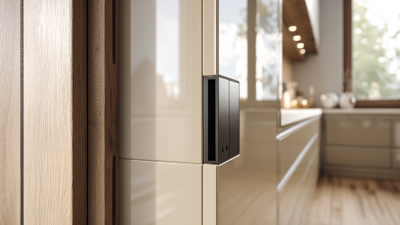
Choosing the best Secret Door Hinges involves careful consideration of materials, weight capacity, and installation requirements. Options vary from concealed hinges that lay flush with the door to more specialized versions designed for heavier wooden doors. A significant number of homeowners overlook the importance of hinge quality, which can lead to mechanical failures and compromised privacy. Experts recommend testing hinges for durability and ease of operation to ensure they meet long-term usage standards.
As the trend toward discreet and multifunctional spaces continues to rise, understanding the technical nuances of Secret Door Hinges will empower homeowners and designers alike to make informed decisions. Selecting the right hinges not only enhances the functional aspects of a hidden door but also preserves the overall aesthetic of the space.

Types of Secret Door Hinges and Their Applications
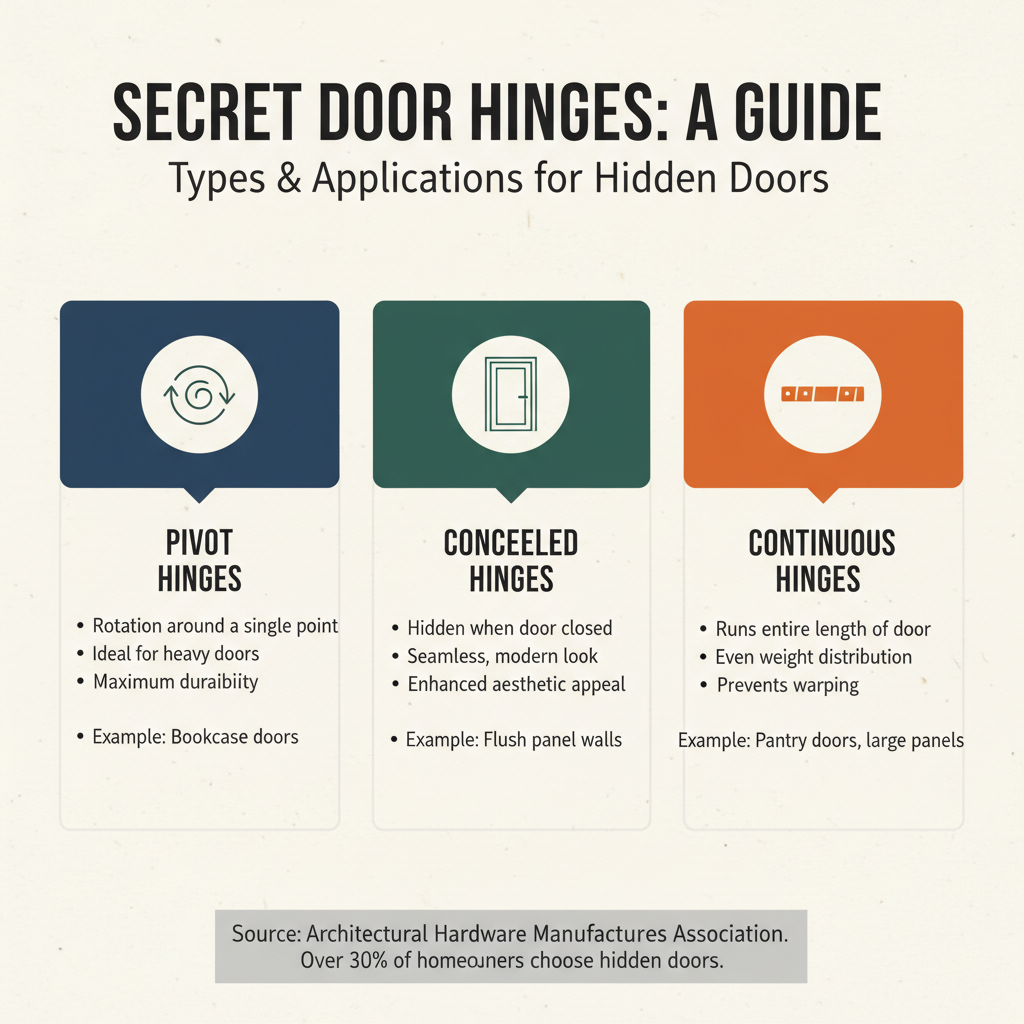
When considering secret door hinges, it's essential to understand the various types available and their specific applications. The most common types include pivot hinges, concealed hinges, and continuous hinges. Pivot hinges allow the door to rotate smoothly around a single point, making them ideal for heavier doors or those that require maximum durability. In contrast, concealed hinges are designed to be hidden when the door is closed, providing a seamless look for modern designs. According to a report by the Architectural Hardware Manufacturers Association, over 30% of homeowners are opting for hidden doors to enhance aesthetic appeal and privacy.
Continuous hinges, while less common, are incredibly sturdy as they run the entire length of the door. This type of hinge is particularly effective for doors that experience regular use, as they distribute weight evenly, reducing the risk of sagging over time. The National Association of Home Builders notes that the right choice in hinges can increase the longevity of your secret door by up to 25%.
Tips: When selecting hinges, consider both the weight of the door and the level of visibility you desire. For heavier doors, opt for pivot or continuous hinges for support, while concealed hinges can enhance the visual appeal of lighter doors. Additionally, always choose materials that resist wear to ensure the durability of your hidden doors.
Key Features to Consider When Selecting Secret Door Hinges
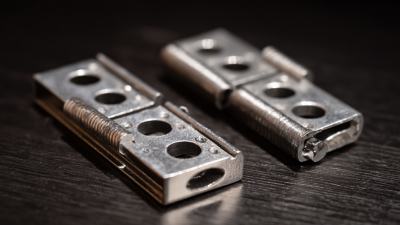
When selecting secret door hinges for your hidden doors, there are several key features to consider to ensure both functionality and aesthetics. First and foremost, the weight capacity of the hinges is crucial. Depending on the material and size of your hidden door, you'll need hinges that can support its weight without sagging or failing over time. Heavy-duty ball bearing hinges are often recommended for their durability and smooth operation.
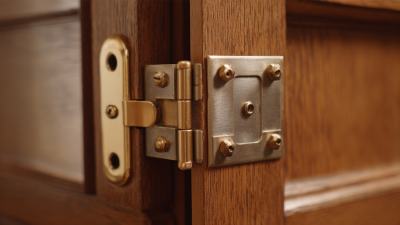
Another essential factor is the type of hinge design. Concealed hinges, also known as pivot hinges, are a popular choice for secret doors, as they remain hidden when the door is closed, enhancing the element of surprise. Additionally, ensure that the hinge allows for easy installation and adjustment. Adjustable hinges can compensate for any misalignment and provide a seamless look.
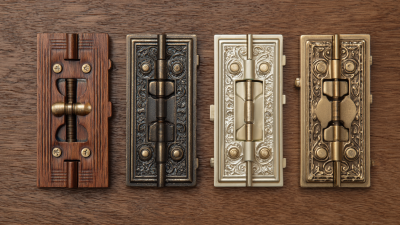
Lastly, consider the finish of the hinges to match your door and surrounding decor, which can significantly impact the overall appearance of your hidden entrance.
Measuring for Proper Fit: Size and Weight Considerations
When selecting secret door hinges for your hidden doors, accurate measurements are critical for ensuring a proper fit. Begin by measuring the height and width of your door, and don't forget to account for the door's weight. Heavy doors require more robust hinges, while lighter ones can use standard options. A well-fitted hinge not only enhances the door's functionality but also ensures your hidden door remains discreet.
Tips: It’s advisable to choose hinges that can support at least 1.5 times the weight of your door. This added strength compensates for wear and tear over time. Additionally, always keep in mind the type of hinge mechanism you prefer, whether it be a concealed hinge for a seamless look or a pivot hinge for more significant, heavier doors.
Also, consider the material of the hinges. Steel and stainless steel tend to be durable and can support heavier loads, making them an excellent choice for hidden doors. Ensure that the hinge's finish complements the decor of your home for a cohesive look. Taking these measurements and considerations into account will guide you in selecting the perfect hinges for your hidden door project.
Installation Tips for Secret Door Hinges to Ensure Functionality
When considering the installation of secret door hinges for hidden doors, several factors come into play to ensure their functionality and longevity. According to a report by the Home Improvement Research Institute, the need for discreet and high-quality hardware has surged by 25% in recent years, driven by the growing interest in home design that prioritizes privacy and aesthetics.
One crucial tip for installation is to choose hinges that match the weight and dimensions of the door. Typically, concealed hinges can support doors weighing between 80 to 120 pounds, making it essential to consult the manufacturer's specifications. Ensuring a level installation can also prevent misalignment, which may lead to operational issues.
Another vital aspect is selecting hinges made from durable materials, such as stainless steel or brass, which can withstand wear and tear over time. Additionally, applying a lubricant during installation can enhance the smoothness of operation and further prolong the life of the hinges. Remember, proper installation is key to maintaining the elegant facade of a hidden door while ensuring it functions seamlessly within your space.
Secret Door Hinges Strength Testing Results
The following chart displays the strength testing results of various types of secret door hinges, measured in pounds of weight they can support. This data helps in choosing the best hinges for functionality and durability in hidden door installations.
Maintenance and Care for Longevity of Hidden Door Hinges
When it comes to hidden door hinges, proper maintenance is crucial for ensuring their longevity and smooth operation.
Regularly inspecting your hinges for wear and tear can prevent larger issues down the line. Dirt and grime can accumulate, causing friction and hindering performance.
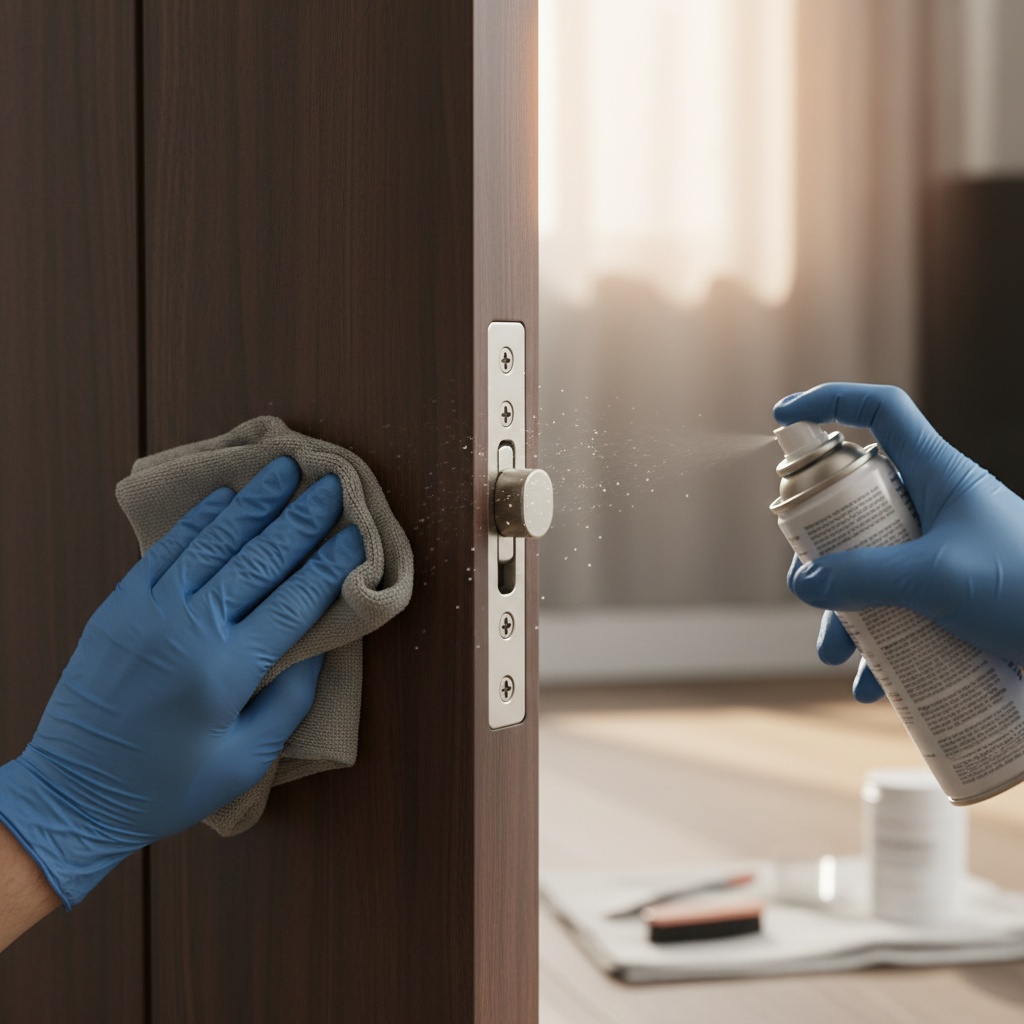
To maintain your hidden door hinges, simply wipe them down with a damp cloth to remove any buildup before applying a light lubricant to facilitate smooth movement.
Tips: Consider applying lubricant every few months, especially in areas with high humidity or dust.
Use a silicone-based product, as it will not attract dirt, keeping your hinges functioning well over time.
Additionally, check alignment and adjust screws as needed to ensure everything operates seamlessly.
Proper care of your hidden door hinges also involves monitoring the surrounding structure. Make sure that the door frame is sturdy and that there are no obstructions that could impact the door's functionality.
Regularly tightening screws and ensuring hinges are properly installed will also go a long way in extending the life of your hidden door hardware.