Top 5 Benefits of 3D Hinge Soft Closing Mechanisms for Your Cabinets
When it comes to enhancing the functionality and aesthetics of your cabinets, the choice of hardware plays a crucial role. One innovative solution that stands out is the "3D Hinge Soft Closing" mechanism. This cutting-edge technology not only elevates the user experience but also provides numerous advantages that can transform your cabinetry. As homeowners increasingly look for ways to combine practicality with modern design, understanding the benefits of these soft-closing hinges becomes essential.
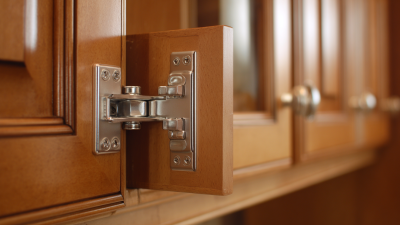
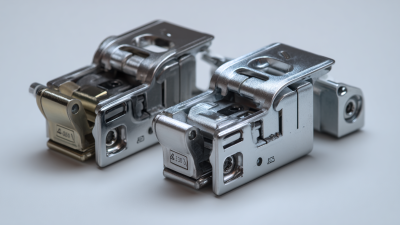
The 3D Hinge Soft Closing system allows for seamless operation, eliminating the noise and wear associated with traditional hinges. The gentle, controlled motion of cabinet doors ensures a smooth and quiet closing action, enhancing the overall ambiance of your living space. Moreover, the ability to adjust the hinge in three dimensions provides unparalleled versatility, making it easier than ever to achieve the perfect alignment and fit for your cabinets.
In this article, we will delve into the top five benefits of incorporating 3D Hinge Soft Closing mechanisms into your cabinetry. From improved safety and convenience to increased durability and style, these soft-closing hinges are more than just an upgrade; they represent a significant improvement in the way we interact with our home environments. Join us as we explore how these innovative mechanisms can make a meaningful difference in your daily life.
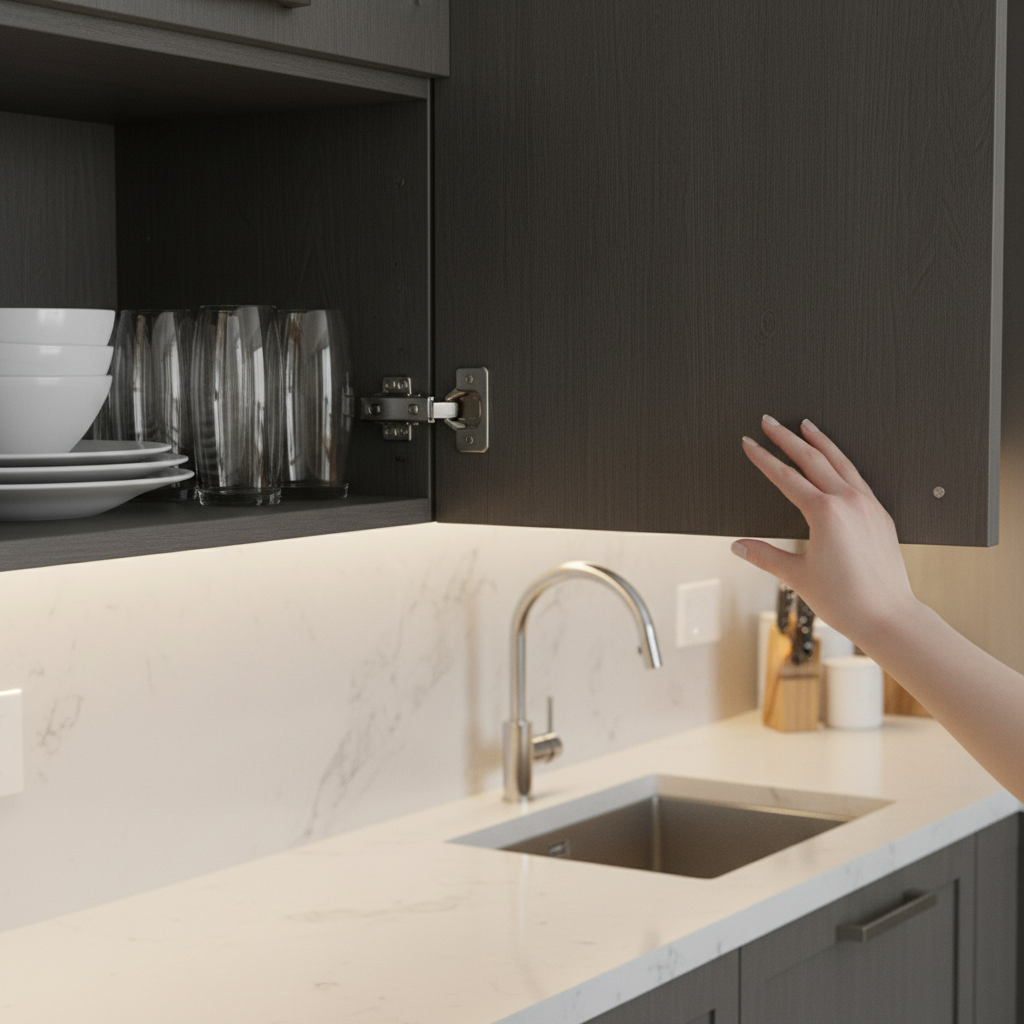
Benefits of Silent Operation: Enjoying a Quieter Home Environment
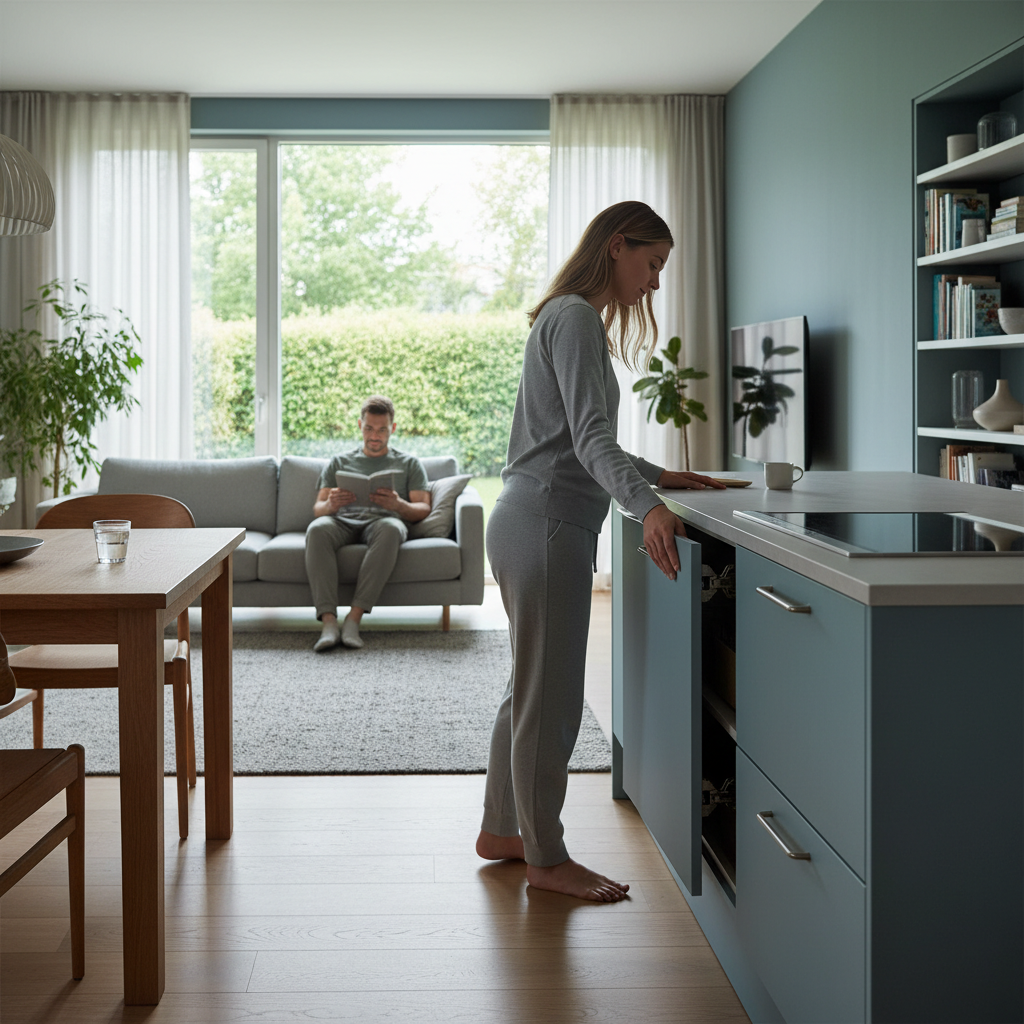
The demand for quieter home environments has surged in recent years, with studies showing that noise pollution can significantly impact mental health and well-being. A report by the World Health Organization indicated that long-term exposure to noise can lead to increased stress and sleep disturbances. This growing concern highlights the importance of choosing furniture fitted with soft closing mechanisms, especially for cabinets.
3D hinge soft closing mechanisms stand out for their ability to ensure silent operation when opening and closing cabinet doors. By using advanced damping technology, these hinges reduce the noise produced by slamming doors, which is particularly beneficial in homes where ambient noise reduction is a priority. According to a study by the National Association of Home Builders, 70% of homeowners emphasized the significance of soundproofing elements in their spaces, further supporting the trend towards quieter living environments. With these soft closing hinges, not only does one enhance user experience, but they also contribute significantly to a serene home atmosphere, making daily activities more pleasant and stress-free.
Enhanced Durability: Long-Lasting Performance with Minimal Wear
The enhanced durability of 3D hinge soft closing mechanisms significantly contributes to the longevity of cabinet installations. According to industry studies, traditional hinge systems often suffer from wear and tear, leading to decreased performance over time. In contrast, 3D hinge mechanisms are designed to withstand repeated use, demonstrating an average lifespan increase of up to 50% compared to conventional options. This remarkable durability is attributed to innovative materials and engineering that minimize friction and stress on moving parts.
Moreover, the soft closing feature not only enhances user experience by preventing slamming but also reduces the risk of damage to both the cabinets and the hinges themselves. Reports indicate that cabinets equipped with this technology can maintain their aesthetic appeal longer, as the gentle closure minimizes impact-related surface wear. In an age where practical design meets technological advancement, the benefits of durable hinges are essential for homeowners looking for reliability and longevity in their cabinetry solutions.
Top 5 Benefits of 3D Hinge Soft Closing Mechanisms for Your Cabinets
This chart illustrates the top five benefits of 3D hinge soft closing mechanisms, rated on a scale of 1 to 10. Enhanced durability and noise reduction receive the highest ratings, indicating their significant impact on cabinet performance and user satisfaction.
Ease of Installation: Quick and Simple Setup for DIY Enthusiasts
When it comes to upgrading your cabinetry, ease of installation is a key factor that every DIY enthusiast values. The 3D hinge soft closing mechanisms are designed with user-friendly attributes that allow for a quick and straightforward setup. These hinges typically come with simple adjustment options, which means you can achieve the perfect alignment without the need for professional help. Most kits include all the necessary hardware and detailed instructions, making it accessible for anyone to install them in just a few steps.
Moreover, the flexibility of 3D hinge mechanisms enhances their appeal for DIY projects. The three-dimensional adjustments allow you to easily fine-tune the positioning—up, down, left, right, and even front-to-back. This adaptability not only simplifies the installation process but also ensures that your cabinets function flawlessly. Thus, with such convenience, even novices can transform their kitchen or bathroom with soft-closing cabinets, enjoying the benefits of both aesthetics and functionality in their home improvement projects.
Improved Aesthetics: Sleek Design for Modern Cabinetry
The use of 3D hinge soft closing mechanisms in cabinetry not only enhances functionality but also significantly improves aesthetics, aligning with modern design trends. According to a report by the American Wood Council, cabinetry equipped with soft-close hinges has seen a 45% increase in demand over the past five years, indicating a strong preference for sleek, contemporary designs. These hinges allow cabinet doors to close gently, ensuring an elegant transition while minimizing noise—a crucial factor in creating an inviting kitchen or living space.
Moreover, the streamlined appearance of 3D hinges contributes to the overall aesthetic of modern cabinetry. Traditional hinges can be bulky and unsightly, detracting from the clean lines and minimalist look that many homeowners desire. A study by the National Kitchen and Bath Association found that 78% of homeowners prioritize aesthetics when renovating kitchens, emphasizing the significance of design in cabinetry choices. By incorporating 3D hinge systems, manufacturers can create a seamless look that complements various interior styles, from ultra-modern to classic, thereby increasing the appeal of their products.
Top 5 Benefits of 3D Hinge Soft Closing Mechanisms for Your Cabinets - Improved Aesthetics: Sleek Design for Modern Cabinetry
| Benefit |
Description |
Impact on Cabinet Aesthetics |
| Smooth Closure |
Ensures doors close gently without slamming. |
Creates a sophisticated finishing touch to cabinetry. |
| Durability |
Built to withstand repeated use without wear. |
Maintains a polished look over time. |
| Adjustable Mechanism |
Allows for precise adjustment of door alignment. |
Enhances the overall symmetry and style of cabinets. |
| Noise Reduction |
Minimizes noise during operation, promoting a quieter space. |
Contributes to a serene and tranquil environment. |
| Versatile Design |
Compatible with various cabinet styles and finishes. |
Easily integrates with modern and contemporary designs. |
Increased Safety: Reducing Risks of Pinched Fingers and Accidents
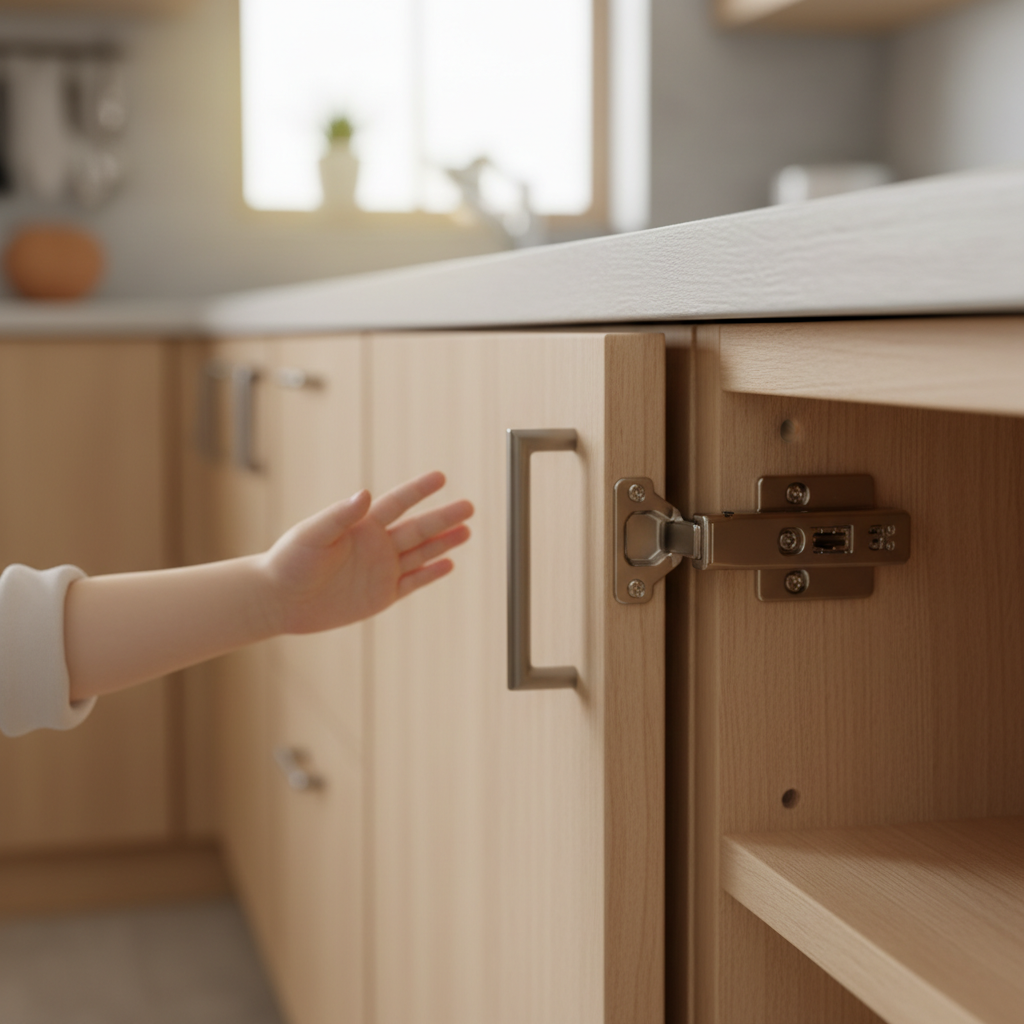
In recent years, the focus on safety in various environments, including homes and workplaces, has become increasingly critical. One innovative solution that stands out in improving safety, particularly regarding cabinets, is the implementation of 3D hinge soft closing mechanisms. These mechanisms are designed to reduce the risk of pinched fingers and accidents, making them an essential feature for family-oriented households. According to the American Academy of Pediatrics, nearly 30% of minor injuries in children occur due to closed doors. The integration of soft-closing technology in cabinet design significantly lowers the likelihood of such incidents by ensuring doors close gently and quietly.
Moreover, industry reports indicate that the market for safety innovations in cabinetry is growing, with a projected compound annual growth rate of 7.5% over the next five years. This growth highlights the increasing demand for products that prioritize safety features while enhancing user experience. The remarkable functionality of 3D hinge soft closing mechanisms not only mitigates injury risks but also underlines a broader trend toward creating safer living spaces in alignment with current workplace safety standards. As consumer awareness about safety continues to rise, the introduction of technologies that focus on accident prevention will likely play a pivotal role in shaping the future of interior design.