How to Adjust Cabinet Hinges for Perfect Alignment?
When dealing with kitchen cabinets, one often faces alignment issues. Properly aligned cabinet doors not only enhance aesthetics but also ensure functionality. To achieve this, knowing how to adjust cabinet hinges is essential.
Cabinet hinges can sometimes appear off-kilter, leading to frustration. Doors may sag or not close properly. These problems make it crucial to understand the adjustment process. Small changes can lead to significant improvements.
Learning to adjust cabinet hinges involves attention to detail. A few quick adjustments can transform a crooked door into a perfectly aligned one. Not every attempt will be flawless, but persistence leads to success. This task, though seemingly simple, requires patience and practice. Over time, you'll gain confidence and improve your skills.
Understanding Cabinet Hinges: Types and Functions Explained
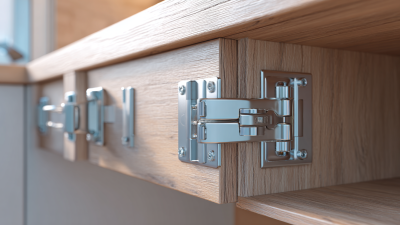
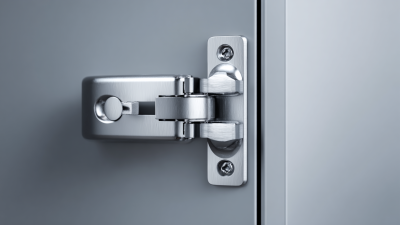
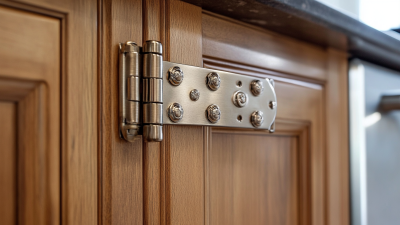
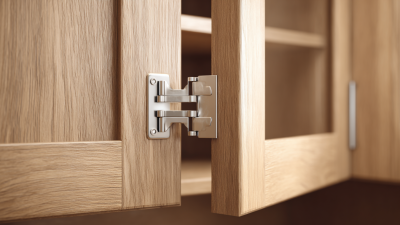
Cabinet hinges play a crucial role in functionality and aesthetic appeal. There are various types of hinges available. Each serves a distinct purpose, from concealed hinges to pivot hinges. Concealed hinges are typically used in modern cabinets because they hide away when closed. On the other hand, overlay hinges are visible and add a classic touch to cabinet doors.
Understanding how each hinge works can prevent frustrations. If your cabinet doors sag or don’t close properly, the hinges might need adjustment. Misalignment can result from wear over time or improper installation. Sometimes, a simple tweak can fix the issue. Moreover, careful observation of how the door sits is essential. It’s easy to overlook these details when in a hurry.
Adjusting hinges might seem daunting. There’s no universal solution. Each type requires different techniques. Testing small adjustments can lead to noticeable improvements. Assessing the situation can lead to better alignment. Although it might take time to achieve perfect alignment, the result is worth the effort.
Common Alignment Issues: Identifying Misalignments in Cabinet Doors
Cabinet doors can often be misaligned, leading to frustration. Common issues include gaps, uneven spacing, and doors that don't close properly. Misalignment can occur due to various reasons, like loose hinges, warped wood, or improper installation. Identifying these problems is crucial for achieving perfect alignment.
Check the top and bottom gaps between doors. If one side is higher, it might need adjustment. Examine the hinges closely; if they're loose, tighten them gently to avoid stripping. Sometimes, you might notice a door sticking. This could mean it's too low or not flush with the adjacent door. A simple tweak can solve the issue.
Pay attention to the door's responsiveness. If it swings shut or remains ajar, something's off. Testing the alignment regularly helps catch these issues early. Remember, it isn't always perfect. Reflecting on what could be improved can guide your adjustments. It’s about finding that balance and ensuring everything lines up as it should.
Step-by-Step Guide to Adjusting Cabinet Hinges for Proper Fit
Adjusting cabinet hinges may seem daunting. However, it's a straightforward task if you follow a step-by-step approach. Start by checking the alignment of doors. A misaligned door can create gaps and hinder functionality. Look closely at the top and bottom of the cabinet door to spot any discrepancies.
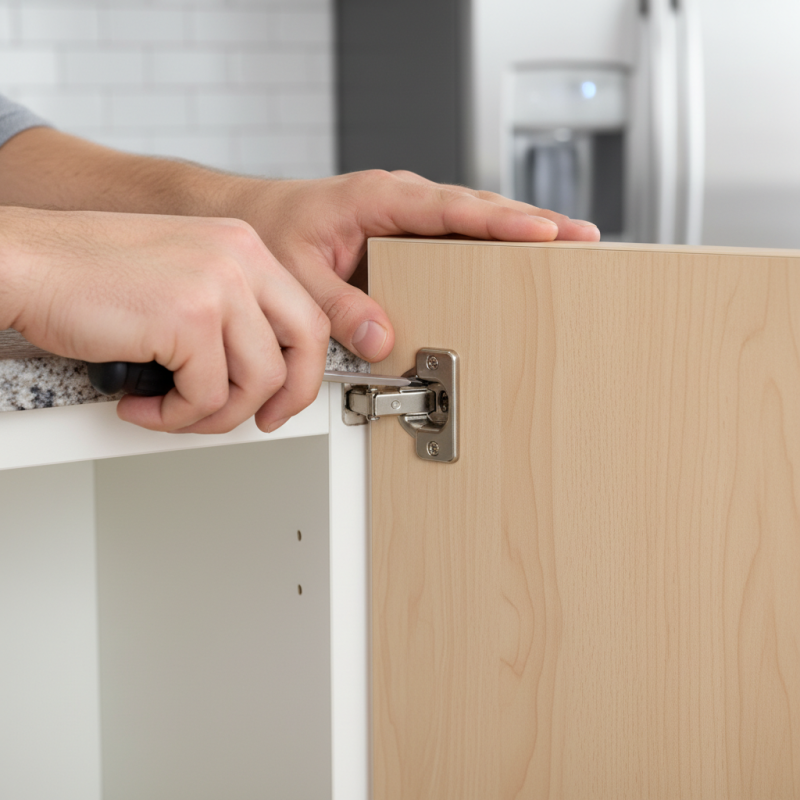
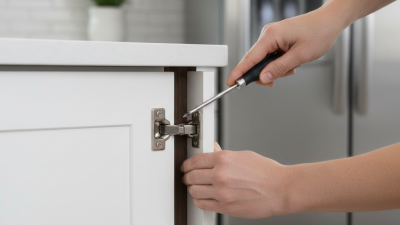
Next, gather the necessary tools: a screwdriver and a level. Loosen the screws on the hinges slightly, just enough to allow some movement. Adjust the door slightly up or down, or left or right, depending on where the misalignment lies. Make small adjustments; a tiny shift can make a significant difference. Recheck the alignment frequently as you make changes. Sometimes, doors will look even more misaligned with just a slight alteration.
Take your time. It’s easy to rush through this process, but patience is key. A well-aligned door improves the overall appearance of your cabinets. After making adjustments, ensure all screws are tight and secure. Be aware that achieving perfection may require several attempts. Don’t hesitate to step back and reassess your work. Your cabinets deserve that extra attention to detail.
How to Adjust Cabinet Hinges for Perfect Alignment?
| Adjustment Type |
Description |
Tool Required |
Adjustment Range |
| Side Adjustment |
Moves the cabinet door left or right. |
Screwdriver |
Up to 1/8 inch |
| Height Adjustment |
Raises or lowers the cabinet door. |
Screwdriver |
Up to 1/4 inch |
| Depth Adjustment |
Controls how far the door sits from the cabinet face. |
Screwdriver |
Up to 1/8 inch |
| Closing Pressure Adjustment |
Adjusts the firmness of how the door closes. |
Screwdriver |
N/A |
Tools and Techniques for Cabinet Hinge Adjustments: What You Need
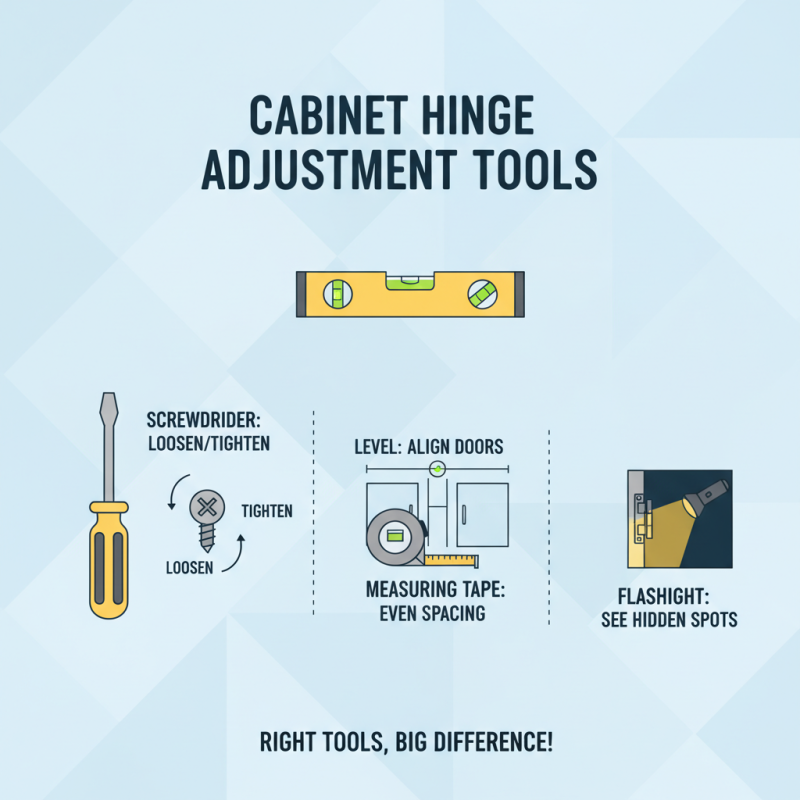
When it comes to adjusting cabinet hinges, having the right tools makes a big difference. A screwdriver is essential for loosening screws. Make sure it fits the screw head properly. A level helps ensure the cabinet doors are straight. You may also want a measuring tape handy to check even spacing. Sometimes, a small flashlight can help you see in tight spaces, revealing hidden adjustments.
Techniques vary, but the basic principle is the same. Start by loosening the hinge screws slightly. This allows you to shift the door. If the door hangs too low, lift it and adjust the screws. If it tilts out at the top, move the hinge on the door up. Remember, it might take a few tries to get it right. Don’t rush. Small adjustments may lead to big improvements. Consider the old saying: measure twice, adjust once. Every cabinet is different, so be prepared for some trial and error. It’s a process, not a race.
The Importance of Precise Alignment: Impact on Cabinet Durability and Use
When it comes to cabinet alignment, precision is vital. Misaligned cabinets can lead to a range of problems, from doors that stick to uneven gaps. According to industry reports, around 30% of cabinet failures are linked to poor alignment. This suggests that attention to detail can significantly impact longevity and usability.
A well-aligned cabinet door enhances functionality. It allows for a smooth operation and minimizes wear on hinges. A report from the National Kitchen & Bath Association points out that properly aligned cabinets can extend their lifespan by up to 25%. However, many homeowners overlook this aspect during installation.
Dysfunctional cabinets may result in frustration and additional repair costs. Regular maintenance is also essential. In fact, a study indicated that nearly 40% of homeowners experience issues due to inadequate hinge adjustments. Spotting misalignments early can prevent more extensive damages. This emphasizes the need for routine checks and adjustments for lasting performance.